The Art of Music Production for Film
Tech
Music
Creative

The Art of Music Production for Film

Breaking into film & TV music — my journey from bedroom producer to scoring for SVT, TV4 and international productions.

Uygar DuzgunUUygar Duzgun
Jan 15, 2026
Updated Mar 18, 2026
5 min read

Music has always been my first language. Before I wrote a single line of code, I was producing beats in my bedroom. Today, my music has been featured on SVT, TV4, and international productions, with over 4 million streams across platforms.

How It Started

I started producing music at 15, learning everything from YouTube tutorials and experimentation. My first DAW was FL Studio, and I spent countless hours understanding sound design, mixing, and arrangement.

The breakthrough came when I started uploading to SoundCloud and Spotify. A few tracks caught the attention of music supervisors, and suddenly I was getting sync licensing requests.

The Film & TV World

Scoring for film and TV is completely different from making beats. You're serving the story, not your ego. The music needs to enhance emotion without overshadowing the visuals.

Key differences I learned:

Timing is everything — Every hit, every swell needs to match the edit
Less is more — Subtlety creates more impact than complexity
Communication matters — Directors often can't articulate what they want musically
Revisions are normal — Expect 3-5 rounds of changes minimum

My Process

Watch the scene multiple times without thinking about music
Identify the emotion — What should the audience feel?
Start with a palette — Choose 3-4 instruments that set the tone
Build in layers — Start sparse, add complexity where the scene demands it
Mix for context — The music will play alongside dialogue and SFX

Tools of the Trade

My current production setup:

Logic Pro X as my main DAW
Kontakt for orchestral samples
Serum for synthesis
A pair of Yamaha HS8 monitors
Various analog synths for texture

Advice for Aspiring Composers

The best advice I can give: produce every single day. Talent matters less than consistency. The more you create, the faster you develop your unique sound.

And don't wait for permission. Put your music out there. The right opportunity will find you if you're consistently creating quality work.

Recommended for you

GPT-6 Astra Review: I Put It to Work on a Real CRM

GPT-6 Astra Review: I Put It to Work on a Real CRM

I tested GPT-6 Astra on real CRM bugs. Three local fixes, independent benchmarks, early reviews, and practical tips for working with the new model.

7 min read
Claude Fable 5.1 Review: Benchmarks, Pricing, vs GPT-5.6 Sol

Claude Fable 5.1 Review: Benchmarks, Pricing, vs GPT-5.6 Sol

Claude Fable 5.1 keeps Fable 5's price, cuts cache reads 75% and targets the laziness complaints. Benchmarks vs Opus 5 and GPT-5.6 Sol, plus an evening on my stack.

11 min read
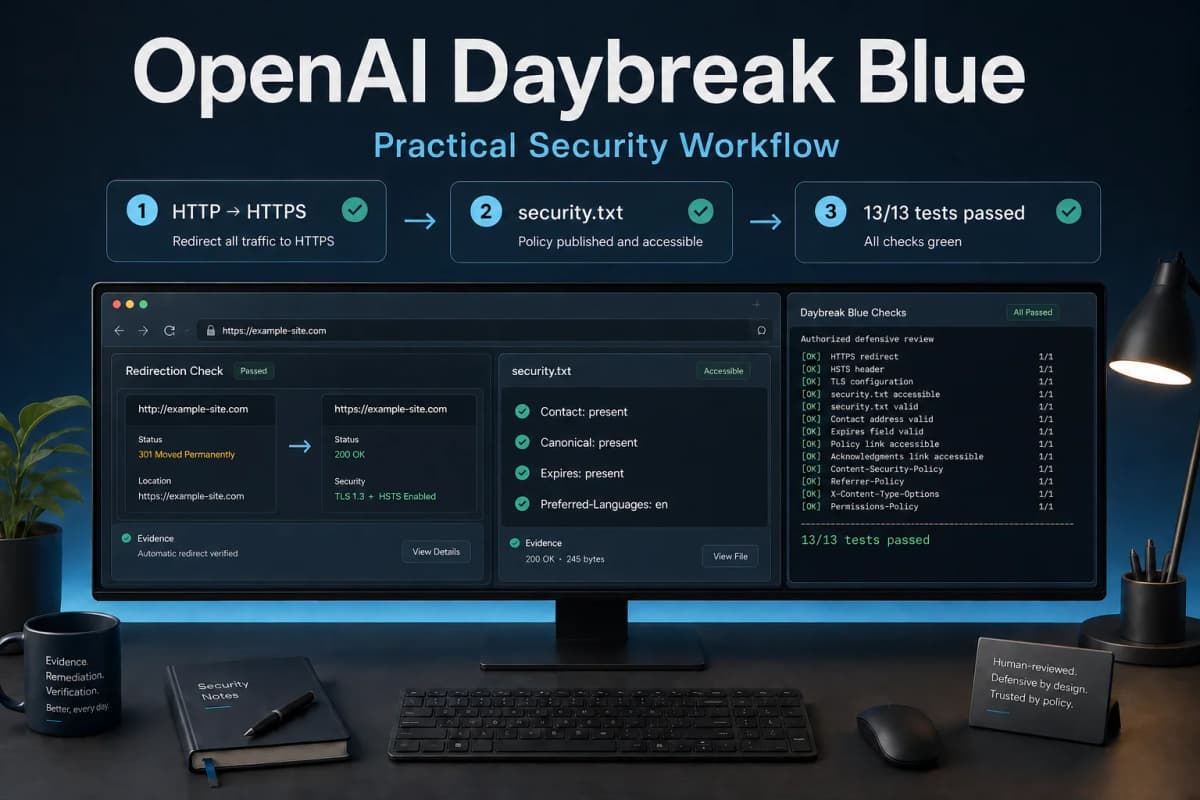
What Is OpenAI Daybreak Blue? A Practical Security Workflow

What Is OpenAI Daybreak Blue? A Practical Security Workflow

OpenAI Daybreak Blue is the defensive access path for flagship models. This article explains what it is, when to use it, and how I used it on Mixanalytic.

11 min read