How can one balance the clarity of a track while incorporating gritty sounds and textures in Lo-Fi Hip Hop?
Lo-Fi Hip Hop, a micro-genre born from old school Hip Hop, has carved an essential niche in the modern music era. Defined by its use of low fidelity sounds and textures, this retro-style music allows artists and producers to introduce a raw, gritty, yet soothing nostalgic ambience to music. The prominence of vinyl crackles, pitch wobbles, and distorted elements incorporated into smooth beats makes this genre unique.
Understanding Lo-Fi Hip Hop
Lo-Fi Hip Hop, short for Low Fidelity Hip Hop, utilizes sounds of low quality or technical flaws that were normally unwanted in the professional music industry. It latches onto imperfections such as ambient sounds, white noise, tape hiss, and audio distortion that evoke a bygone era. Producers and DJs ingeniously portray these sonic inadequacies as art, ultimately crafting a unique sound universe that is raw, and intimately human.
Using the Right Tools and Techniques
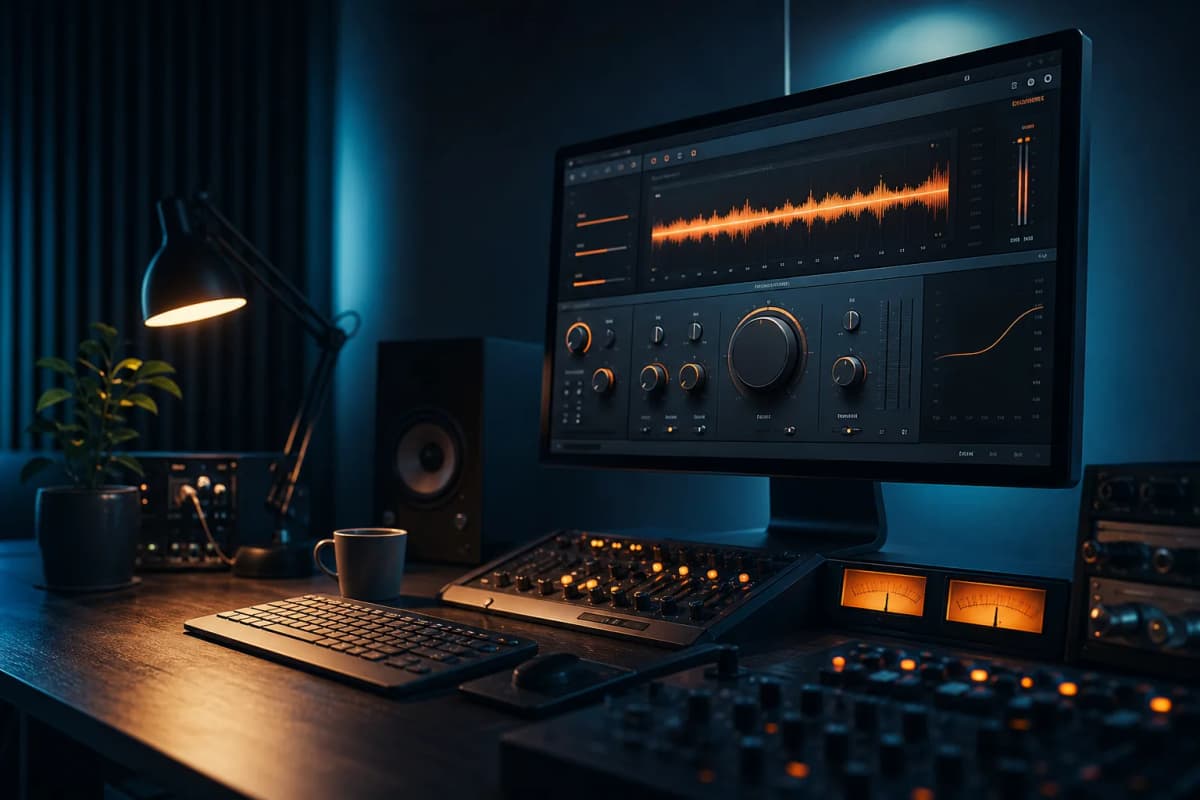
When creating Lo-Fi Hip Hop, certain tools and techniques can help you get the desired sounds and textures. DAW software like Ableton, FL Studio, or Logic Pro comes with built-in effects which are very efficient for crafting Lo-Fi sounds. Furthermore, there are numerous VST plugins available like the RC-20 Retro Color, Decimort, or Vinyl which are perfect for introducing lo-fi elements.
Sampling
A prevalent technique in Lo-Fi Hip Hop is sampling, where a portion of a sound recording is reused in a different song or piece. It’s an art that involves using vintage old school music tracks or sounds that have a warm, organic feel, and manipulating them to create that classic, gritty Lo-Fi vibe.
Adding Textures
Adding different textures is crucial to create the rustic feel of Lo-Fi. This often includes background noises such as vinyl crackles, white noise, rain sounds, or cafe ambient sounds subtly mixed in with the beats, giving the track a unique atmospheric texture.
Manipulating Sounds
One of the main techniques in emulating a Lo-Fi sound is by manipulating audio frequencies. This is often done by the clever use of EQ, often eliminating high frequencies for a more mellow sound, and boosting the mid-lows that adds warmth for a more intimate feel.
Embracing Imperfections
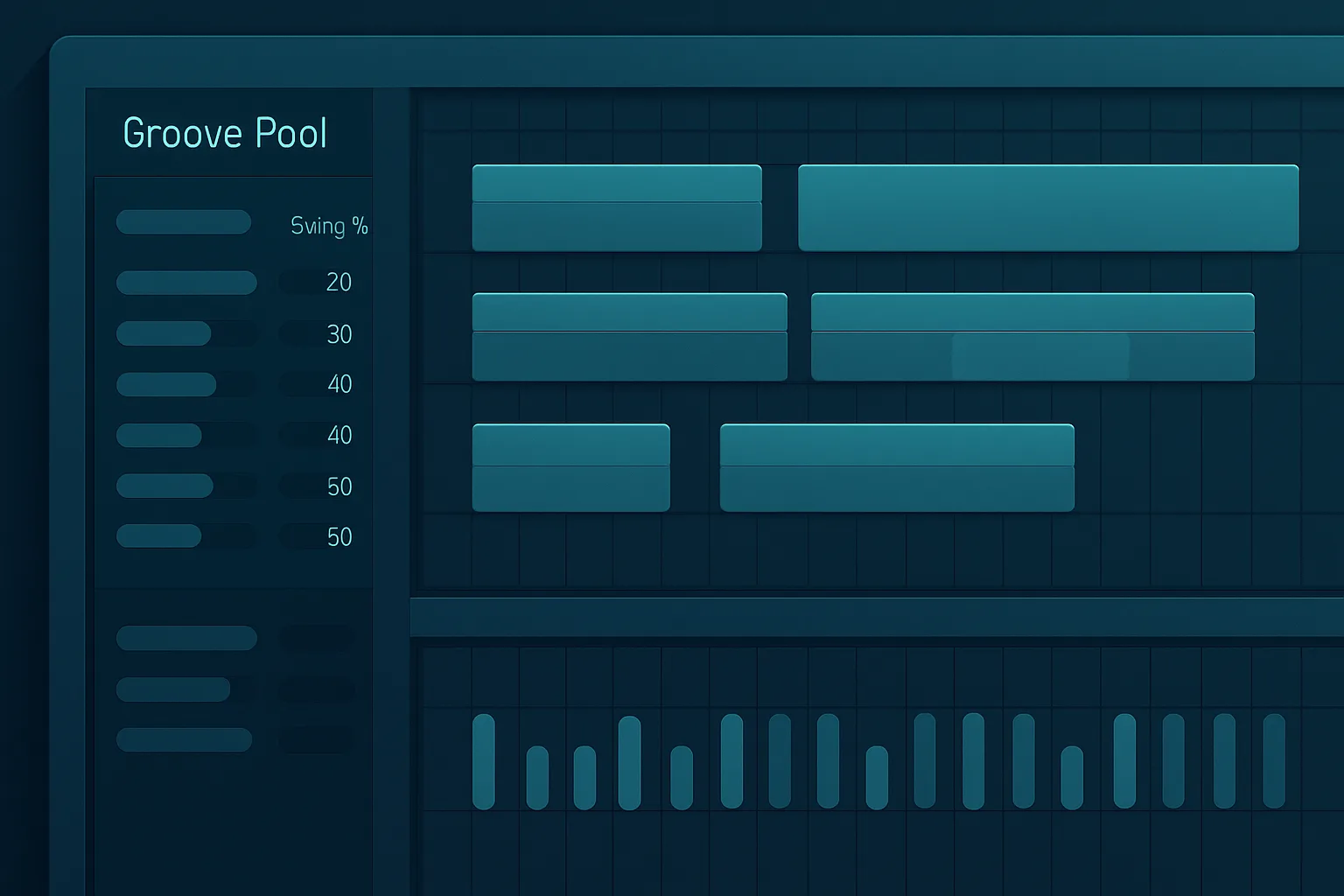
An integral part of Lo-Fi Hip Hop is the embrace of imperfections. This can include having beats not perfectly quantized or synchronized, creating an offbeat, laid-back groove – also known as ‘the swing.’ Additionally, introducing imperfections like subtle pitch variations, tape hisses, and crackles helps emoting an authentic and raw feeling.
Conclusion
Mixing Lo-Fi Hip Hop is essentially about creating a delicate balance between the present’s polished music and the throwback of gritty soundscapes from the past. With the right tools, techniques, and a knack for embracing imperfections, you can create your unique mix of nostalgia-infused tunes. Above all, delve into the joy of experimenting, explore the textural grit, and unleash the organic humanness that Lo-Fi Hip Hop reveres.