How do you create compelling grooves for house music production?
Producing House Music: Synths, Groves, and More
House music is more than just a genre; it’s a movement, a feeling, and for many, a way of life. Originating in Chicago in the early 1980s, house music has now permeated globally, making its way into the charts, clubs, and festivals around the world. This guide aims to help both beginner and intermediate music producers grasp the essentials of producing house music by focusing on its core elements: synthesizers, grooves, and much more.
Synthesizers-A Must-Have in House Music
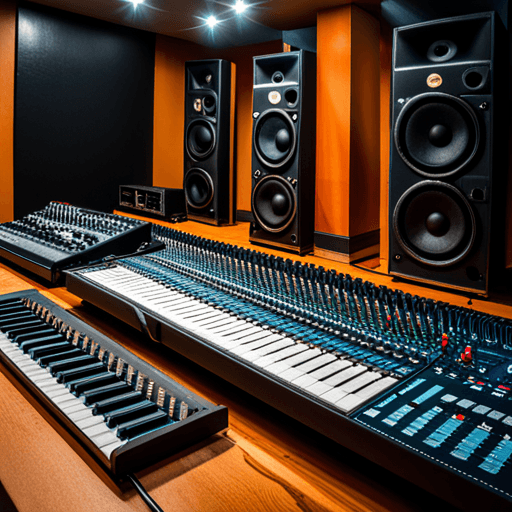
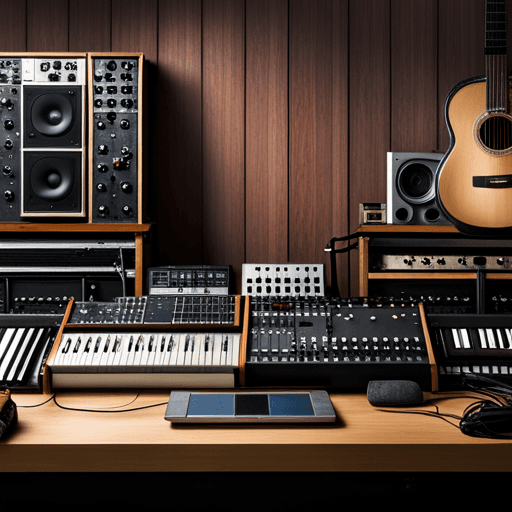
If you’d describe house music in one phrase, it would be ”synth-heavy”. The quintessential sound of house music – from the ubiquitous basslines to the hypnotic chords – are typically produced using synthesizers.
Selecting the Right Synth
Selecting the right synthesizer is instrumental to achieving the ideal sound. Software synths like Serum, Sylenth1, and Massive are versatile plug-ins commonly used in the production of house music.
From Pads to Leads
Understanding different synth parameters is crucial for creating specific sounds. Pads are usually used for creating atmosphere and depth, while lead sounds deliver the melody. Tweaking parameters like oscillator, filter, and envelope will give you a diverse palette of sounds to work with.
The Importance of Grooves in House Music
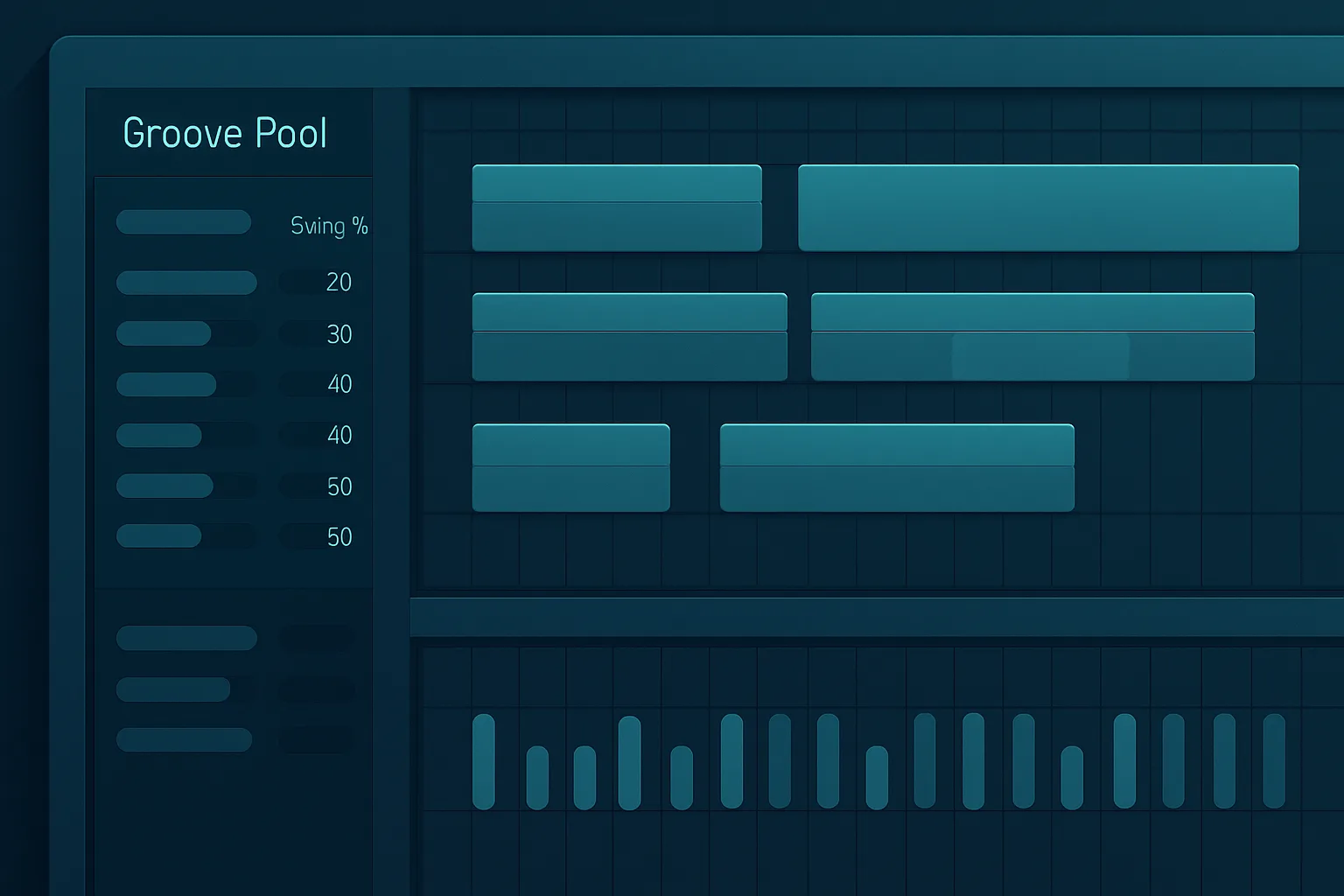
The “groove” – or the rhythmic feel and swing of the music – is one of the defining hallmarks of house music. A well-crafted groove makes the listener move and sets the pace of the track.
Working on Drums
Drum programming plays a critical role in determining the groove of a track. Use short, punchy kicks that pack enough low end. Hi-hats, snares, claps, and percussion elements serve as essential rhythmic components that provide the characteristic “shuffle” feel of house music.
Creating Basslines
Basslines need to harmonize with the kick drum and work in sync with the rest of the percussion to set the groove in motion. In house music, basslines are often repetitive and simple, yet effective in driving the rhythm forward and keeping the listener hooked.
And There’s More! The Essential Elements of House Music
Besides synths and grooves, there are many more elements to consider in house music production. Vocals, effects, song structure, and even the mixing and mastering process play a critical role in shaping your track. Understanding and manipulating these aspects can help you produce a house track that stands out.
Remember, creating your own house music is a journey of musical exploration and self-expression; don’t be afraid of experimenting and pushing boundaries. The more you learn and practice, the closer you are to producing a chart-topping house hit!