Can you suggest some tools or software that are essential for creating and mixing experimental music?
****
Experimental music thrives on the unknown and the uncharted. Its composition isn’t just about melody and rhythm, it’s also about introducing unfamiliar sounds and creating distinctive auditory experiences. This makes the mixing and sound design of experimental music a unique challenge—bound not just by musical theory but also by the exploration of sound itself.
For experimental sound designers, this space is an open playground. It allows for unconventional methods, mixing genres, and incorporating non-musical elements to create an original composition. There is no limit to what you can use as a sound source. From digital synthesizers, through noise generated by everyday objects, to the sounds of nature—innovation and originality take the foreground.
**Embrace the Unconventional FX**
When it comes to effects in experimental music, traditional reverb or delay won’t always do the trick. Fortunately, advanced digital audio workstations (DAWs) allow us to use unconventional FX.
Plug-ins such as granular synthesis and spectral processing can transform any sound into an unrecognizable sonic texture. These tools are capable of creating rich, layered sounds that can morph dynamically with the music. Likewise, bit crushers and distortions can lend a harsh, intense character to softer sounds, providing an unsettling contrast.
Remember: the key is not to overuse these effects. Although they can bring unexpected richness to your mix, they can also quickly overwhelm the listener. Moderation and thoughtfulness are crucial.
**Explore Sound Design Tools**
Sound design is all about crafting your own unique sounds, and for this, the right tools can make all the difference. Modular synthesizers, software or hardware, are definitive tools every sound designer should explore. They provide an endless array of possibilities, allowing you to manipulate waveforms and harmonics in innovative ways.
Field recording is another tool that can set your experimental music apart. Capturing the sounds of the world around you can yield an untapped treasure trove of unique samples.
**Visualize Your Sound**
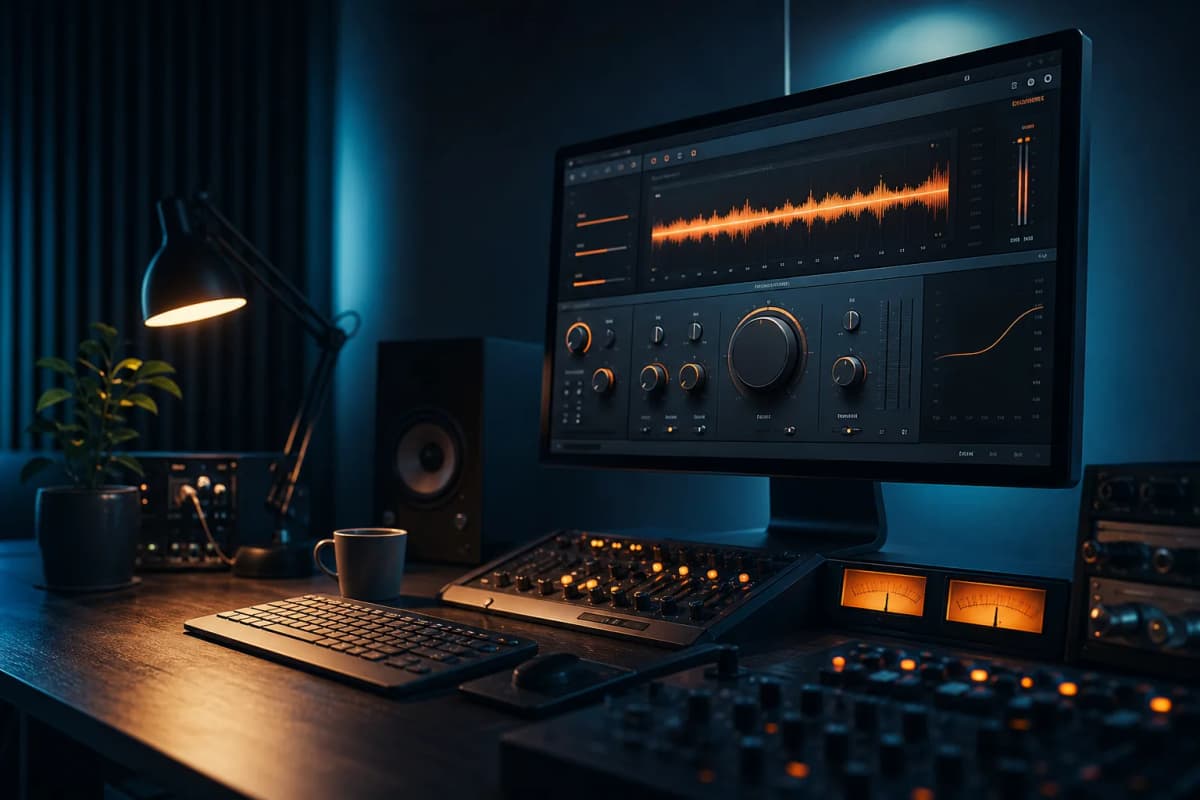
Spectrograms and other visual tools can provide unique insight into your sound design. These tools can reveal hidden aspects of your sound, like overtones or modulation anomalies that can be used creatively. By visualizing the sound, you can manipulate it based on its visual representation, paving the way for fascinating sonic experiments.
**The Final Mix**
Mixing experimental music can be as non-traditional as the composition itself. The key here is not to maintain a clean mix but to serve the music. Sometimes, this can mean ending up with a dense, complex mix, where individual sounds are hard to distinguish. As long as it serves the composition and conveys the intended mood and emotions, breaking conventional mixing rules is not just allowed—it’s encouraged.
Keep in mind that experimental music is all about exploring the unknown terrains of sound, so don’t be afraid to step out of the box and venture into the unconventional!