What are the key factors to consider when aiming for a balanced EQ?
Whether you’re a music producer, sound engineer, or simply an enthusiastic audiophile looking to optimize your listening experience, understanding how to master for general listening is essential. At the core of a pleasing and comfortable audio experience is a balanced equalization (EQ), universally suited for both speakers and headphones.
Mastering in this context might seem like a complex task, but it can be simplified with the right knowledge and tools. Herein, we’re going to explain the importance of balanced EQ and how to achieve this for both your speakers and headphones, allowing you to enjoy your audio with consistent quality across multiple platforms.
Understanding Equalization
Before diving into the technicalities of how to attain a balanced EQ, we must first comprehend what equalization is and why it matters. Simply put, an EQ is an audio tool that allows the adjustment of specific frequency ranges in the sound spectrum. It lets you increase or reduce certain frequencies to produce a balanced sound.
The purpose of balanced EQ is to create a tonal balance in a mix. It’s like a palate of sound, where there’s a harmonious blend of low, mid, and high frequencies. The human ear perceives such a balanced sound as more pleasing. Therefore, it is essential to master this process to ensure an audio experience that resonates with the listeners, regardless of the device being used.
Achieving a balanced EQ for Speakers
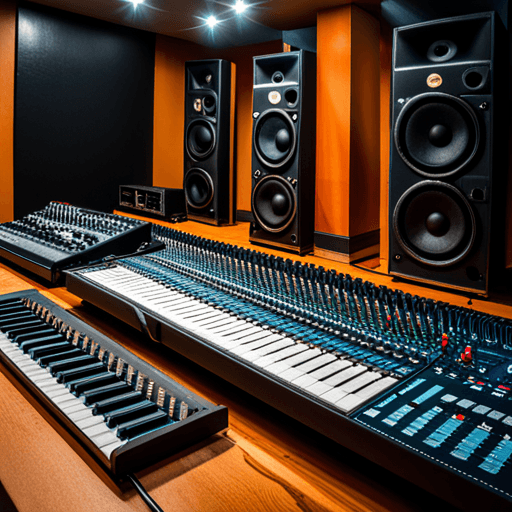
Adjusting the EQ for speakers can make a significant difference to your listening experience, especially when you consider that different speakers produce sounds differently according to their sizes, materials, and configurations.
Start by playing a piece of music in a well-treated room. Listen carefully to the sound, focusing on the low, mid, and high frequencies. Use an equalizer to adjust these frequencies. This helps reduce any ‘boominess,’ ‘muddiness,’ or ‘sibilance’ that might be present in the sound.
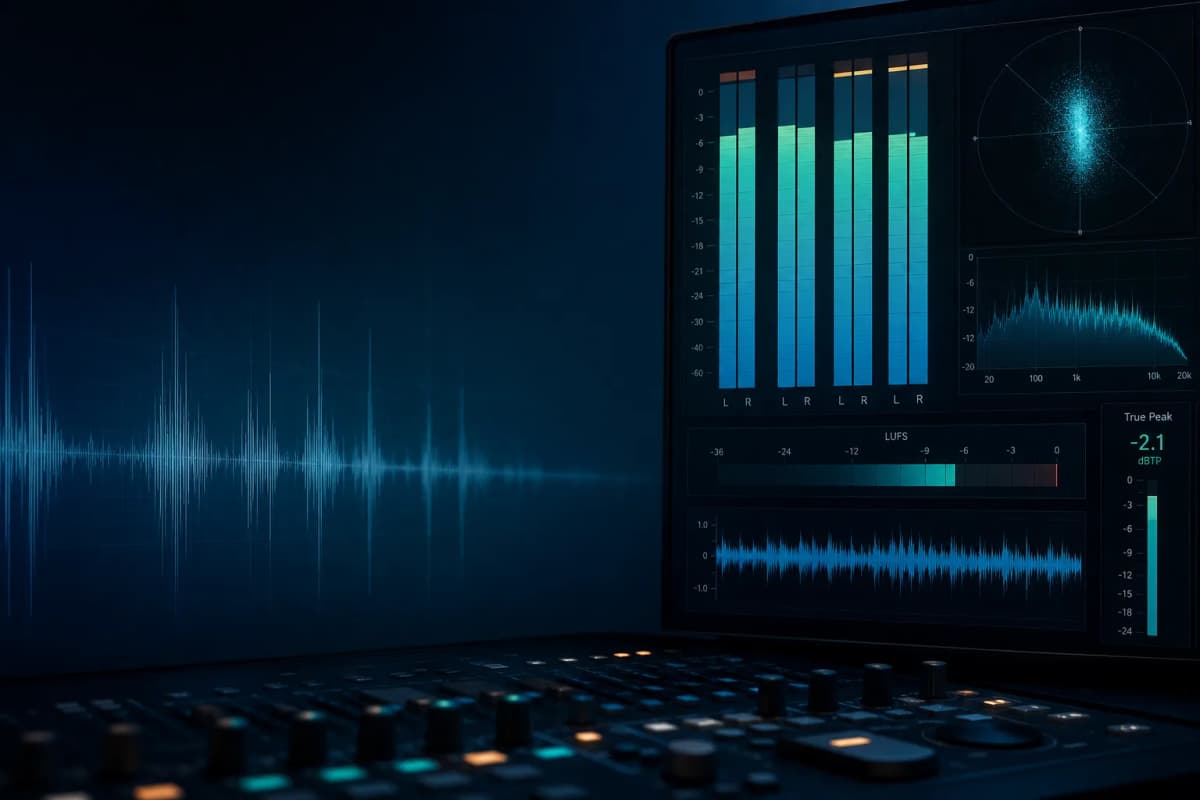
It’s also considered best practice to use spectrum analyzers or frequency analyzers, which give a visual representation of these frequencies, hence making the EQ adjustment process accurate and efficient.
Balancing EQ for Headphones
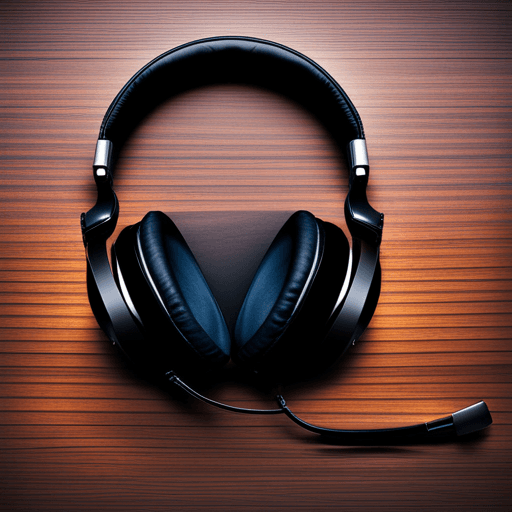
Just like with speakers, achieving a balanced EQ with headphones makes for an incredibly rewarding listening experience. Since headphones create a highly intimate listening environment, every detail matters.
Your first step should be to understand the frequency response curve of your set of headphones. This will help you identify the default strengths and weaknesses in the sound. From there, dip into the EQ settings to fine-tune the sound. The aim is to create a flat or neutral frequency response which does not color the sound artificially.
Finally, it is crucial to remember that EQ settings that work well on one set of headphones or speakers may not work well on another. Therefore, re-adjusting your EQ settings when switching devices will provide you with a consistently great sound.
Wrapping Up
The concept of mastering for general listening revolves around creating a sound that is as close as possible to the original recording. By understanding and properly utilizing EQ, you can ensure your music or any other audio material is heard exactly the way you intend it to be, irrespective of whether it’s listened to on headphones or speakers.
By taking time to understand equalization and how it affects the sound you’re creating, you’ll be well on your way to providing a harmonious and pleasing audio experience for all listeners, regardless of their audio setup.