How has the rise of AI impacted the profession of music mastering and the quality of DIY mastering
Music Mastering: DIY vs. AI vs. Pro
Sculpting the final sound of a music track is an art that requires both skill and finesse. It’s the final step that determines the quality and the richness of the sound that your song will produce when it’s played across different devices and platforms. In this article, we take a keen look at three popular ways of music mastering: Do-it-yourself (DIY), Artificial Intelligence (AI), and hiring a professional (Pro).
DIY Music Mastering
DIY Music mastering is basically the practice of mastering your music independently without seeking any third-party help. Many artists are lured by the DIY approach due to its cost-effectiveness and the control it provides over the entire process.
A plethora of digital tools and softwares are available today, equipping even the novices with the capability of mastering their tracks on their own. Software like Pro Tools, Logic Pro, and Audacity provide a wide variety of sound editing options that can create magic with the right usage.
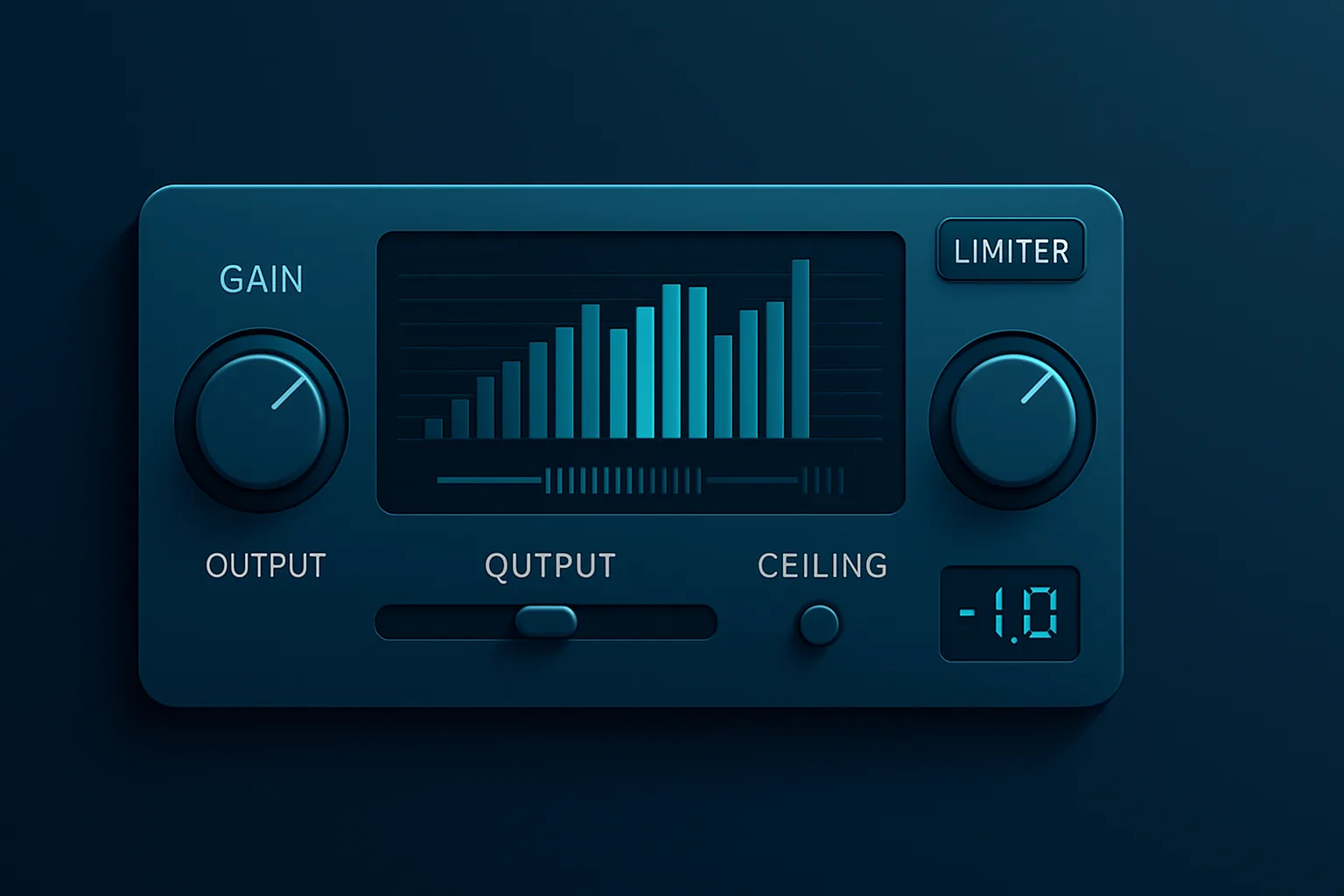
However, the main drawback of DIY mastering is that it requires a lot of time, patience and learning. Mastering isn’t as easy as adjusting a few equalization and compression parameters and requires a significant amount of practice and indulgence.
AI Music Mastering
AI-powered mastering tools offer an interesting alternative to both DIY and traditional pro mastering services. Services like LANDR or CloudBounce utilize machine learning algorithms to analyse your track and apply custom mastering settings automatically. This fascinating approach is relatively inexpensive, fast, and quite efficient.
The greatest advantage of AI mastering is its efficiency and affordability. Instead of spending hours on mastering a single track, AI mastering softwares can get the job done in a matter of minutes at a fraction of the cost. Moreover, these algorithms are getting trained with each track, improving their effectiveness and reliability.
Its major limitation is the lack of personal, human touch in the whole process. Although it is evolving, AI cannot replace the intuitive abilities of a human engineer, especially for complex or unconventional works.
Pro Music Mastering
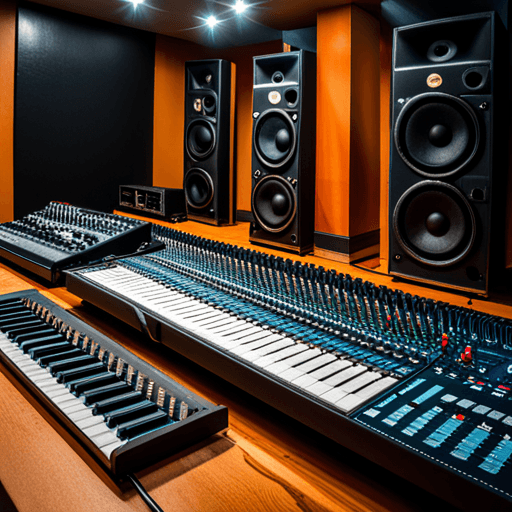
Professional mastering, done by a human engineer in a well-equipped studio, is generally considered the gold standard in music production. A professional sound engineer’s expertise, knowledge, and unique insight can bring out the very best in a track, crafting a masterpiece that stands out.
The strength of pro mastering lies in its personalised touch and nuanced understanding of the track. An experienced engineer can anticipate how a song will sound across various platforms, detect subtle flaws, and make required adjustments.
The downside is that professional music mastering services can be quite expensive and may not suit indie artists or anyone with a limited budget. Also, it might take longer than DIY or AI mastering, due to meticulous attention and scrutiny.
Conclusion
Choosing between DIY, AI, or Pro mastering ultimately depends on your individual needs, budget, and personal preferences. If you possess the skills and time, DIY mastering could be a viable option. AI mastering is growing in popularity due to its efficiency, affordability, and increasing sophistication. However, if the budget allows and the project demands it, there is no substitute for the expertise and experience that a professional mastering engineer will bring to your music.
Regardless of the method you choose, remember that mastering is an important step in your music production chain, and it should never be underestimated or overlooked.