How can one emulate the natural resonance and reverb of acoustic music in a digital space like Ableton Live
Producing Acoustic Music in Ableton Live
The creation of acoustic music in Ableton Live introduces an entirely new set of possibilities for sound engineers, musicians, and composers. This digital audio workstation (DAW) is a powerful tool that can be used to record, produce, and mix acoustic music, providing an easy-to-use, flexible platform that caters to all levels of audio production knowledge.
The ability to manipulate and modify sound clips, combined with a multitude of effects and instruments at your disposal, is what allows Ableton Live to stand out as a top choice for many professionals in the field. So, how can you best use Ableton Live to produce acoustic music?
Setting Up Your Studio
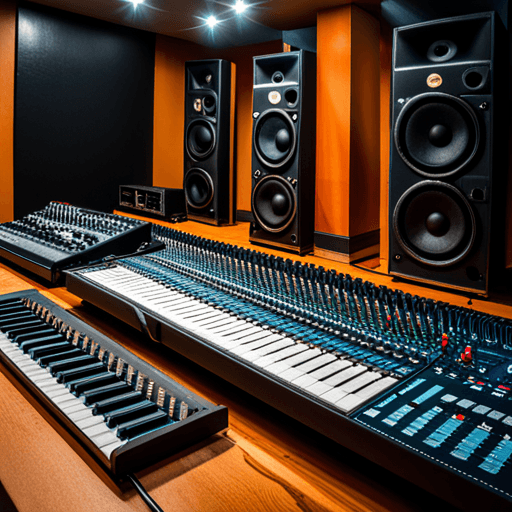
Before you dive into the process of crafting your acoustic masterpiece, ensure your studio setup is optimized to deliver the best possible sound. A good pair of studio monitors, an acoustic guitar or other acoustic instruments, a high-quality microphone, and a soundproof room are crucial. It’s always best to start with a clean, natural sound. Remember, a recording is only as good as its source. Plus, Ableton Live’s capabilities will help you bring out the best in your recorded tracks.
Recording Your Acoustic Instrument
Once your studio is set up, it’s time to hit record. Ableton Live provides an intuitive recording interface that allows you to capture the pure, raw sound of your acoustic instrument. Use your chosen microphone and aim for a clear, undistorted sound during recording.
Editing and Mixing
After recording your tracks, the Ableton Live audio editor becomes your best friend. Here, you can manipulate timings, pitch, and amplitude to perfect your sound. Use the range of available audio effects like reverb, delay, and compression to create a fuller, more polished mix.
Mastering
Finally, it comes down to mastering your track. This is where Ableton Live’s intricacies really shine. Utilize plugins like the Multiband Dynamics, Equalizer Eight, and Limiter to balance frequencies, control dynamics, and increase overall volume. The aim during mastering is to achieve a cohesive and consistent sound across your entire track that retains its quality no matter where it’s played.
With practice and patience, Ableton Live can be your go-to workspace for producing acoustic music, resulting in smooth, refined tracks that listeners will love.