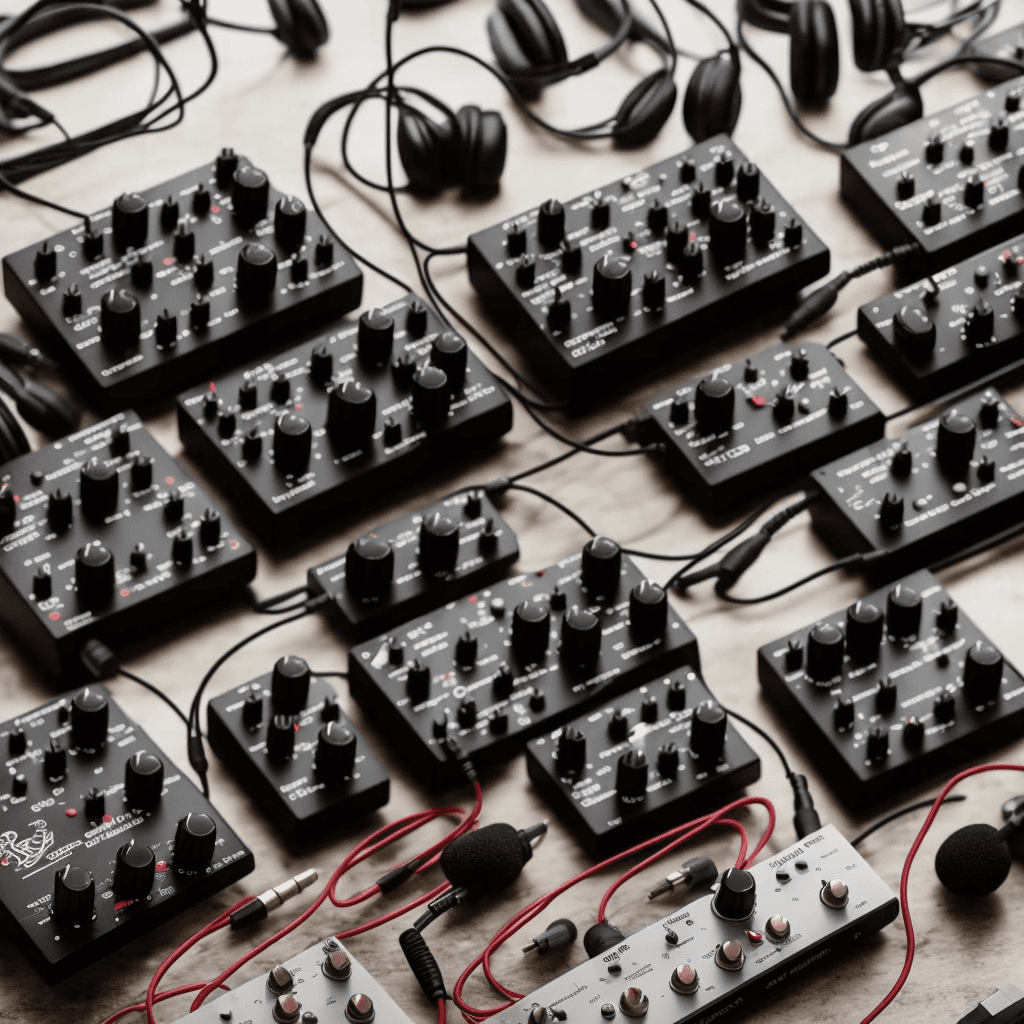
What are some commonly used mixing tools or software that prove to be effective in enhancing the life of acoustic instruments in folk music
Mixing Folk Music: Giving Life to Acochtic Instruments
Folk music is a genre that’s all about storytelling. It is a reflection of the deep roots of a culture, narrated through melodies, rhythms, and harmonies of traditional acoustic instruments. One of the key aspects of creating an effective folk song is through the art of mixing.
The Role of Mixing in Folk Music
Mixing is a crucial process in music production where various sounds and elements are combined into one or two stereo tracks. This includes tweaking the levels, dynamics, panning, and equalization among others – with the goal of achieving a balanced, unified, and expressive overall sound. For folk music, mixing is more than just merging sounds. It is about giving life to the acoustic instruments, making the tales they tell more compelling.
The Organic Sound of Acoustic Instruments
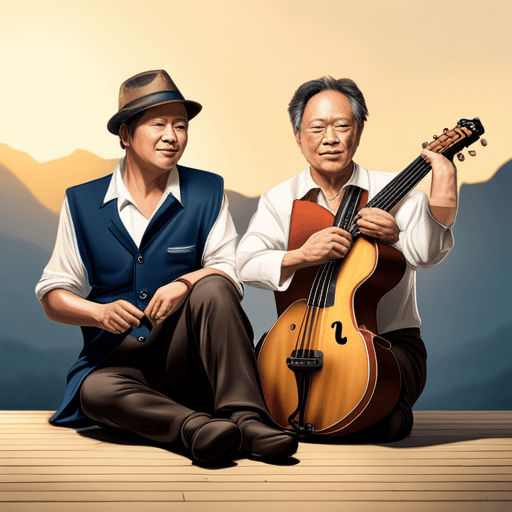
In folk music, acoustic instruments are the heart of the performance. Guitars, banjos, violins, flutes, mandolins, and an array of traditional instruments are typical in folk soundscapes. While electronically-produced music has its own charm, the raw, resonant, and organic sounds that acoustic instruments produce have a completely different level of emotional depth and authenticity.
Enhancing the Sounds through Mixing
During the mixing process, one must know how to enhance these acoustic sounds without sacrificing their original essence. The aim is to preserve the natural harmonics while improving the clarity, depth, and imaging. Here are some tips on how to do so:
1. Respect the Dynamics
Folk music is incredibly dynamic. Soft whispers can transition into powerful strums in a matter of seconds. The art of mixing lies in respecting these dynamics, ensuring that each instrument stands out in its distinct moments.
2. Use EQ Strategically
Equalization (EQ) is a powerful tool for shaping the tone and balance of instruments. But remember, less is often more when it comes to EQing in folk music. The aim is to highlight the unique qualities of the instruments without undermining each other.
3. Panning for Depth and Space
Panning helps create a sense of depth and space, enhancing the listener’s experience. Vary the placement of instruments in the stereo field to create a rich and realistic soundscape that can transport the listener into the heart of the folk tale.
Conclusion
Proper mixing of folk music not just gives life to the acoustic instruments, but also the stories they tell. It can enhance the listening experience by making the sound more immersive and emotionally engaging. So the next time you sit down to mix a piece of folk music, remember the power in your hands: the power to bring traditional tales to life through sound.