How to Build Your Own DIY Acoustic Panels
🎵 Music
Music
Production

How to Build Your Own DIY Acoustic Panels

⁤Can PAA technology be⁢ incorporated in DIY acoustic panels for better‍ sound ⁣absorption? Are ​you tired of the excessive echo in your home studio or media room? A ​well-placed acoustic panel can dramatically ‍reduce unwanted ​noise, improve sound clarity,‌ and enhance your listening⁣ experience. I

Uygar DuzgunUUygar Duzgun
Jul 20, 2023
Updated Mar 18, 2026
2 min read

⁤Can PAA technology be⁢ incorporated in DIY acoustic panels for better‍ sound ⁣absorption?

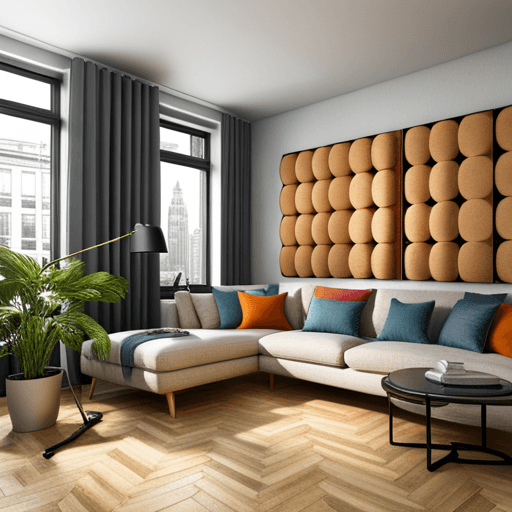
Are ​you tired of the excessive echo in your home studio or media room? A ​well-placed acoustic panel can dramatically ‍reduce unwanted ​noise, improve sound clarity,‌ and enhance your listening⁣ experience. Instead of shelling out hundreds of dollars for prefabricated⁤ options, why not undertake a cost-effective DIY project, tailored specifically to your‌ needs and space? Below, we ⁤break down the steps ​for creating your own acoustic panels.

Materials Needed

Wood (We recommend lightweight, sturdy options such as pine or poplar.)
Sprayed adhesive
Acoustic foam or mineral ⁢wool insulation
Acoustic fabric (Avoid ​stretchable material for best results.)
Staple gun⁤ and‍ staples
Saw or power cutter
Measuring ⁤tape
Screwdriver and screws (for wall mounting)

Step By Step Guide

Step 1: Frame Construction

Begin by cutting your wood into four⁤ pieces ‍to construct a square ⁤or⁢ rectangular frame. The frame’s size should ideally coincide with your acoustic foam ‍or‍ insulation dimensions to minimize tweaks‍ later ‌on.

Step 2: ‍Assemble the Frame

Use ‍screws or nails to secure the corners of your frame, ensuring they’re set at right angles⁤ for stability.

Step 3: Insert the ‍Insulation

Spray the inner rim lightly with adhesive ⁢and carefully fit in the acoustic ⁤foam or ‍insulation. Ensure there’s no‍ bulging or contraction occurring as it may lessen the panel’s ⁣performance.

Step 4: Add Covering

Lay your frame, ​insulating side down, onto the fabric. Ensure there’s enough fabric to wrap around the sides. Use a ‍staple gun to secure the fabric onto the back of the frame—take‍ care to distribute the staples evenly for a professional​ look. Trim any excess ‍fabric for a ​clean finish.

Step 5: Hang Your ‌Panels

Once your panels are complete, decide where to hang them. Keep in mind that placing ⁤them in corners or hard surfaces ⁣can drastically reduce echo.

Conclusion

Building your own DIY acoustic panels can be a‌ rewarding⁣ project that not only enhances your⁢ sound experience ⁢but also adds a personal touch to your room décor. Remember, the key‍ to ⁤success lies in precision, right material choices, and patient execution. Happy DIY-ing!

Recommended for you

Music Mastering: DIY vs. AI vs. Pro

Music Mastering: DIY vs. AI vs. Pro

How has the rise of AI impacted the profession of music mastering and the quality of DIY mastering Music Mastering: DIY vs. AI vs. Pro Sculpting the final sound of a music track is an art that requires both skill and finesse. It’s the final step that determines the quality and the richness of the […

3 min read
4 of the Best Guitar Headphone Amps Under $70

4 of the Best Guitar Headphone Amps Under $70

4 of the Best Guitar Headphone Amps Under $70 A guitar headphone amp is a must-have for any serious guitarist. Whether you’re a beginner seeking an entry-level piece of gear or an experienced player wanting a tool to help practice in quiet environments without disturbing anyone else, a headphone amp

3 min read
What Is a Preamp? Do I Need One?

What Is a Preamp? Do I Need One?

What exactly is a preamp and what is its function in an audio setup? What Is a Preamp? Do I Need One? Understanding Preamps A preamplifier, or ‘preamp’ as it is popularly known, is an electronic amplifier that converts a weak electrical signal into an output signal strong enough to be noise-tolerant

2 min read