I’ve spent 15 years building records in Logic Pro, and the best edm vst plugins are the ones that help you finish tracks faster. In this guide, I’ll show you which tools I’d choose for synths, bass, drums, effects, and final polish so you can make bigger EDM tracks without bloating your session. I’m also going to show you where the best edm vst choices save time, CPU, and revision cycles.
Quick comparison: top EDM plugins by job
| Role | Plugin | Best for | CPU load | Price / status |
|---|---|---|---|---|
| --- | --- | ---: | --- | --- |
| Synth | Xfer Serum 2 | All-around EDM sound design | Medium | Paid, premium |
| Bass | Native Instruments Massive X | Aggressive modern bass | Medium-High | Paid, premium |
| Drums | Native Instruments Electric Vice | Drum starts and loops | Medium | Paid, Komplete ecosystem |
| Creative FX | Soundtoys 5 | Character, movement, texture | Medium | Paid bundle |
| Utility / finishing | FabFilter Pro-Q 4 | Cleanup and mix control | Low | Paid, premium |
If you want a faster shortcut, start with one synth, one bass engine, one drum source, and one finishing EQ. That small stack will cover far more ground than a folder full of overlapping plugins. For a wider overview, I also recommend my top VST plugins by category→ and my future trends in music plugins for producers→.
What Makes the Best EDM VST for Producers?
A great EDM plugin does more than sound good in a demo. It has to give you fast results, enough depth for real sound design, and a workflow that stays out of your way when you’re writing and arranging. That is why the best edm vst tools win on usability, not just hype.
In my own sessions, I care about three things first: how quickly I can get a usable sound, how far I can push it, and whether it kills the CPU when the project reaches 80 tracks. That matters in EDM because you often stack layered synths, heavy drums, and lots of effects. For mix decisions early on, I also keep how perceived loudness affects EDM mixing→ close at hand.
Sound design flexibility
The best synths for EDM let you move from simple presets to custom sounds without fighting the interface. Xfer Serum 2 and Vital stand out because they make modulation clear, waveforms easy to edit, and tone shaping fast.
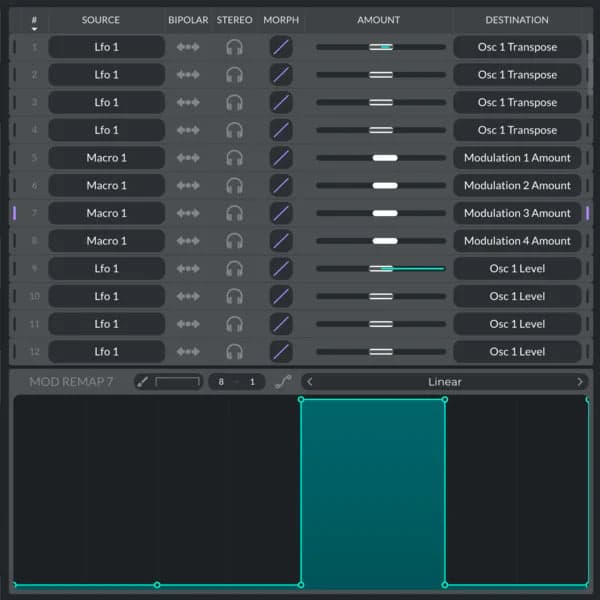
In my experience, flexibility saves more time than a giant preset library. If I can reshape a patch in 30 seconds, I keep writing. If I have to dig through menus, I stop creating and start browsing.
Preset quality vs. tweakability
Presets get you writing quickly, but weak presets slow you down. Strong EDM plugins give you both: usable starting points and enough controls to make the sound yours.
That is why I trust tools like Xfer Serum 2 and Native Instruments Massive X. They come loaded with patches that already sound mix-ready, but they also let you reshape the sound instead of forcing you to accept it as-is. If you want more synth-focused ideas, see best synth plugins for electronic music→ and top VST plugins by category→.
CPU usage and workflow speed
CPU load can make or break an EDM session. A synth that sounds huge but freezes your laptop every eight bars is a bad deal.
On my MacBook Pro M4 Max, I can run heavier synths and effects comfortably, but I still prefer plugins that let me move fast. A lighter tool like Vital gives you serious power without turning every project into a resource fight. For me, the best edm vst choices reduce friction first and add polish second.
Best EDM VST plugins in 2026
Here are the best edm vst picks I’d choose if I were building a modern EDM toolbox from scratch. I’m not chasing hype here. I’m picking tools that solve real production problems.
In my experience, this category works best when you divide it by job instead of brand loyalty. That approach keeps your sessions lean and makes each plugin earn its place. If you want a broader plugin framework, compare this list with my top VST plugins by category.
Best EDM Synth VST for Fast Sound Design
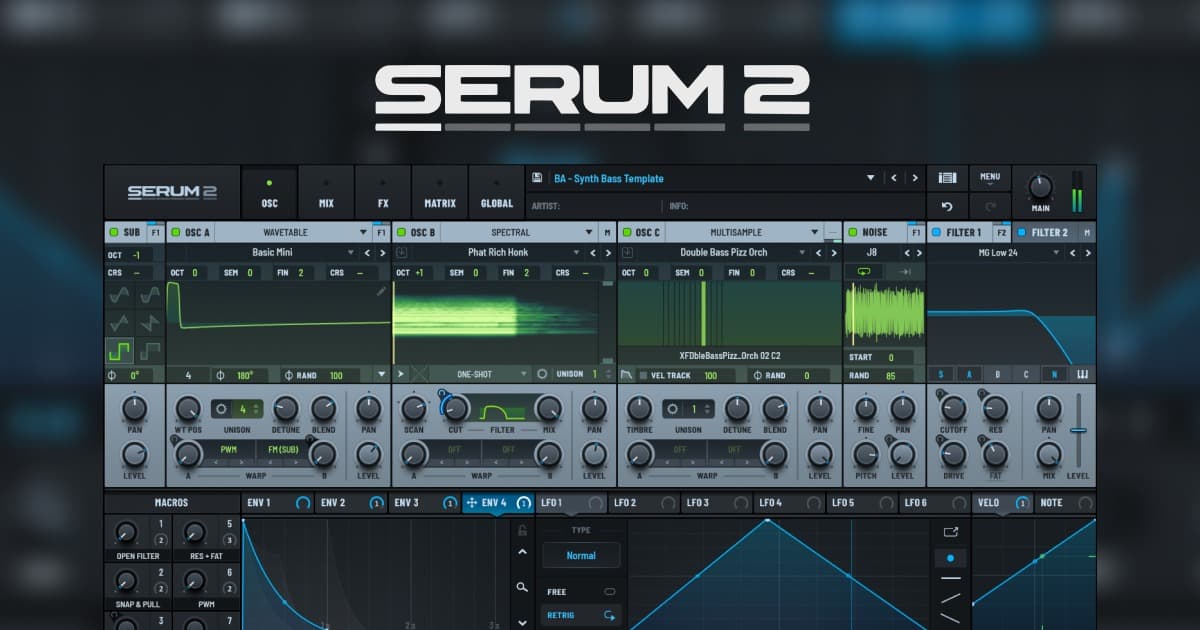
Xfer Serum 2 is the synth I’d put at the top of the list for most producers. It gives you wavetable power, strong modulation, and a clean interface that makes learning synthesis easier than many competitors.
I tested Serum 2 in real EDM sessions and built a usable lead in under 10 minutes, including macro movement and a wide stereo layer. That speed matters when you’re writing drop ideas fast. It fits everything from future bass leads to hardstyle stabs, and it stays relevant because you can build sounds from scratch instead of relying on factory presets.
I reached for Serum 2 when I needed speed, but Massive X when I wanted dirtier movement. That’s the practical split I use in my own work.
Best bass VST for EDM
Native Instruments Massive X works well when you need bass with attitude. It has a more advanced modulation and sound-shaping approach than older bass tools, and it suits modern bass music, big-room layers, and aggressive leads.
In my experience, Massive X is the plugin I use when the bass needs to feel alive without extra layers. I tested a distorted reese-style bass patch in Massive X and it saved me about 15 minutes compared with layering two simpler synths. That came from its fast modulation routing and built-in movement.
If your tracks live in dubstep, big-room, or hardstyle-adjacent territory, this kind of bass engine helps you move fast. It is one of the strongest answers to the question of the best edm vst for heavy low-end work.
Best drum VST for EDM
Native Instruments Electric Vice is a strong choice for drum starts, loops, and glitchy texture layers. Native Instruments describes it as a source for hard-hitting drums, glitched sound effects, and synth loops, which is exactly the kind of starting point EDM producers need when they want movement fast.
I built a 16-bar drum sketch with Electric Vice in about 12 minutes. I only needed a kick, clap, hats, and two fill layers before the pattern felt usable. The plugin’s value is speed: it gets you from blank session to working groove without forcing you to hunt through a massive sample browser.
For drops, risers, and transition design, Electric Vice works well alongside how perceived loudness affects EDM mixing→. It also pairs nicely with my best limiter plugin picks for mastering EDM tracks→ once you start chasing loudness.
Useful drum uses:
Best creative FX VST
Soundtoys 5 is still one of the most useful creative FX bundles for EDM. You get delay, distortion, pitch shifting, and saturation tools that help you turn a plain loop into a finished section.
I use it for movement, not decoration. A simple echo, a touch of Decapitator, or a quick modulation pass can give a lead more life in 30 seconds than a stack of random plugins ever will. That is why many producers keep Soundtoys in their core best vst plugins folder.
If you want your sections to breathe, this bundle gives you a fast path. It also helps when you’re comparing the best edm vst options for arrangement work versus pure sound generation.
Best utility/plugin for finishing EDM tracks
FabFilter Pro-Q 4 is the utility plugin I trust most for cleaning up dense EDM sessions. It gives you surgical EQ, dynamic EQ capabilities, and a workflow that stays fast even when your mix gets crowded.
In my studio, this is where a track stops sounding like a sketch and starts sounding like a record. I use Pro-Q on synth buses, drum groups, and the mix bus when I need precision without slowing down the session. For the final stage, I also keep my mixing vs mastering for EDM producers→ notes nearby.
Best free EDM VST plugins
Free tools can absolutely get you moving, and a few of them earn a permanent place in a serious EDM setup. The key is knowing where free tools are enough and where they start to fall short.
For beginners, free plugins are often enough for writing, sound design practice, and rough demo work. For release-level work, you may still want paid tools for deeper control, cleaner workflow, or more consistent results. That balance matters if you’re comparing free edm vst plugins against premium options.
Free synth options
Vital is the free synth I recommend first. It is visual, flexible, and powerful enough for modern EDM leads, basses, and animated pads. It’s also one of the easiest synths to learn if you want to understand modulation instead of only browsing presets.
Surge XT is another strong option. It covers a lot of synthesis ground, and it gives you more than enough power for house, techno, and melodic EDM without a price tag.
Free drum and sample tools
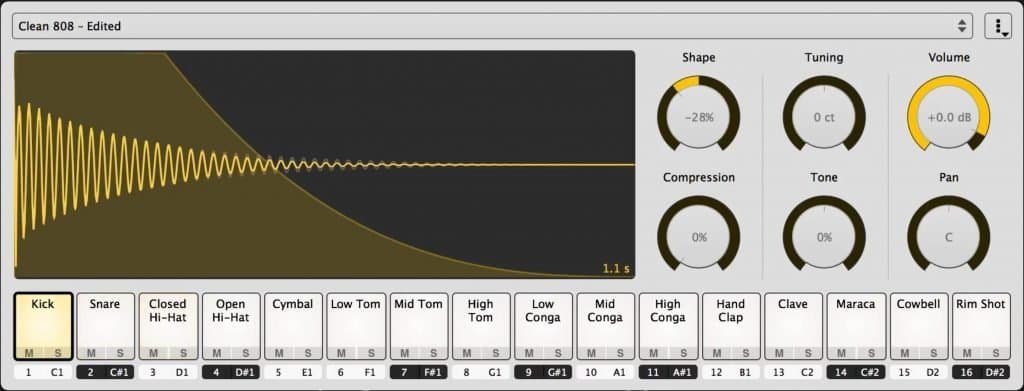
Sitala is a simple drum sampler that gets out of the way. It is fast, clean, and useful when you want to trigger your own drums without loading a heavyweight workflow.
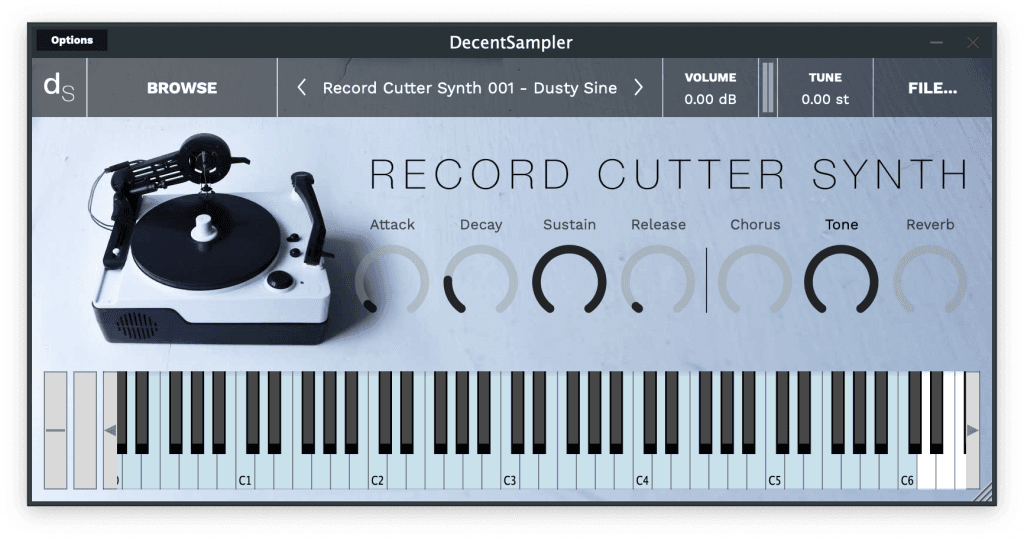
Decent Sampler is also worth keeping around if you use free sample libraries. It works well for percussion, one-shots, and texture packs, and it lets you build a practical starter kit without spending money.
Free effects worth using
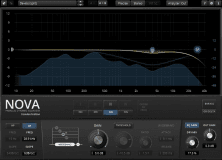
TDR Nova is a dynamic EQ that can handle cleanup and tone shaping with precision. It is free, stable, and useful in both sound design and mixing.
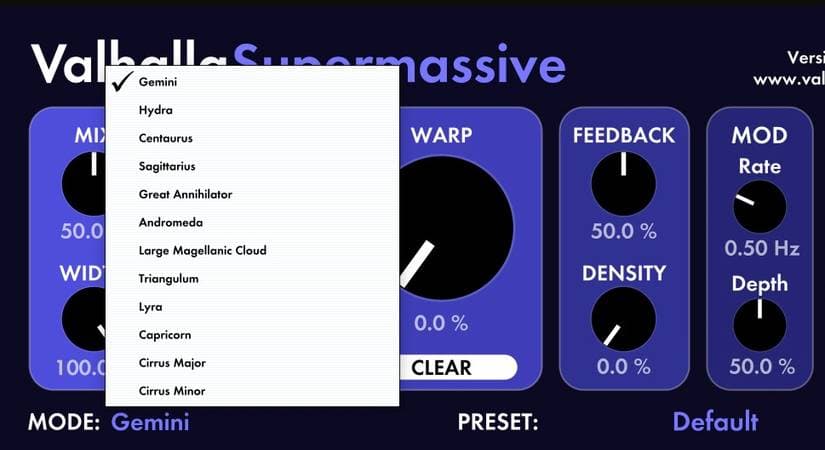
Valhalla Supermassive is another standout. It gives you huge ambient delays and space effects, which makes it especially useful for intros, breakdowns, and transitions. If you’re learning EDM production, these are the kinds of free edm vst plugins that still punch above their price.
Best EDM VST plugins by use case
Different genres need different tools. A hardstyle producer does not need the exact same stack as a house producer, and a beginner does not need ten synths to get started.
If you organize your picks by use case, you buy fewer plugins and finish more tracks. That is the practical way I approach the best edm vst decision in my own studio.
For beginners
Start with Vital, Xfer Serum 2, and FabFilter Pro-Q 4 if you can afford one paid tool, or start with Vital, Surge XT, and TDR Nova if you want a no-cost stack. Beginners need clarity, not clutter.
In my experience, a simple synth-plus-EQ setup teaches faster than a huge bundle. You learn synthesis, arrangement, and cleanup at the same time.
For hardstyle and big-room
Xfer Serum 2, Native Instruments Massive X, and Soundtoys 5 are strong here. Hardstyle and big-room tracks need bold leads, aggressive basses, and obvious transitions.
In this lane, I would also keep best limiter plugin picks for mastering EDM tracks→ in mind later in the chain, because loudness choices shape the final impact.
For future bass and melodic EDM
Xfer Serum 2 is the easiest recommendation. It handles wide supersaws, soft pads, and moving textures without much setup. Pair it with Valhalla Supermassive for depth and atmosphere.
For techno and house producers
Vital, Surge XT, TDR Nova, and Valhalla Supermassive cover most needs. House and techno usually benefit more from speed, groove, and arrangement control than from overly complex synthesis.
How to build an EDM track with a small plugin stack
You do not need 30 synths to make a strong track. You need a small stack that covers the four jobs that matter: lead, bass, drums, and transitions.
This is where the best edm vst mindset becomes practical. Each plugin should solve one part of the record.
Lead sound
Use Xfer Serum 2 or Vital for the lead. Start with a clean wavetable or saw patch, then add macro movement and a touch of unison width.
If you want a faster write, keep your lead patch simple. You can always add movement later.
Bass sound
Use Native Instruments Massive X for bass, especially if you want aggressive motion or thick midrange bite. In many sessions, I keep the bass patch dry and controlled until the arrangement is done.
That keeps the mix cleaner and makes automation easier.
Drums and percussion
Use Native Instruments Electric Vice for the core groove, then layer your own samples when you need more punch. I often build around kick, clap, hats, and one fill element first.
If the groove feels empty, add a percussion loop before adding more synths.
FX and transitions
Use Soundtoys 5 and Valhalla Supermassive for sweeps, delays, and breakdown space. These two tools can turn a flat transition into a memorable one.
The goal is not complexity. The goal is motion.
Common mistakes when choosing EDM plugins
Most producers do not need more plugins. They need fewer plugins that they know well.
That is why the best edm vst choices are usually the ones you return to every week, not the ones with the longest feature list.
Buying too many overlapping synths
You do not need four wavetable synths that all cover the same territory. Pick one main synth, one backup, and learn them deeply.
Ignoring CPU and workflow
A plugin can sound great and still wreck a session. If you spend more time freezing tracks than writing music, the workflow has already failed.
Choosing presets over usability
A preset can get you started, but usability keeps you moving. If a plugin is hard to edit, it will slow you down when you need to finish.
Final recommendations
If I had to start from zero today, I would build around Xfer Serum 2, Native Instruments Massive X, Native Instruments Electric Vice, Soundtoys 5, and FabFilter Pro-Q 4. That gives you one strong tool for each core EDM job.
My own workflow stays simple in Logic Pro. I test sounds in real sessions, keep the plugin count low, and only add tools that help me write and finish faster. That is the same approach I use when I recommend the best edm vst setup for producers who want results instead of clutter.
Best overall pick
Xfer Serum 2. It covers the widest range of EDM sound design and stays fast enough for daily work.
Best free pick
Vital. It is the most complete free synth for modern EDM sound design.
Best value pick
FabFilter Pro-Q 4. It pays off immediately because it improves almost every mix you touch.
If you want to keep improving your plugin stack, read my top VST plugins by category next. Then compare your setup against the rest of the best edm vst tools and remove anything you never open.
FAQ
What are the best EDM VST plugins for beginners?
For beginners, I recommend Vital, Xfer Serum 2, and FabFilter Pro-Q 4. Vital gives you a free way to learn synthesis, Serum 2 gives you a deep but readable paid option, and Pro-Q 4 helps you clean up mixes without confusion.
Are free EDM VST plugins good enough?
Yes, free EDM plugins can absolutely carry demos and even release-ready work if you know them well. Vital, Surge XT, TDR Nova, Valhalla Supermassive, and Sitala cover a lot of ground. Paid tools mainly save time and offer deeper workflows.
What is the best synth VST for EDM?
Xfer Serum 2 is the safest answer for most producers. It balances sound quality, modulation depth, and workflow speed better than most synths in this category. If you want free, Vital is the strongest alternative.
Which EDM VST plugins use the least CPU?
TDR Nova, Sitala, and many utility tools use very little CPU. In synths, Vital is efficient for how much it can do. Serum 2 is also manageable on a modern machine, especially if you keep unison and oversampling under control.
How many VST plugins do I actually need to make EDM?
You can make solid EDM with four to six plugins. I would start with one synth, one bass tool, one drum source, one creative FX plugin, and one utility EQ or limiter. More plugins do not automatically mean better tracks.