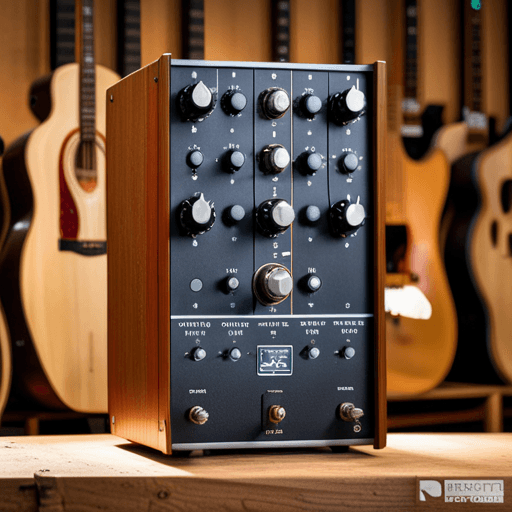
How should compression be applied for a softer, more gentle sound in piano music production?
When your fingers dance on the piano keys, magic occurs. The beautiful consonance of piano music can warm hearts, stir emotions, and even provide solace during quiet, introspective moments. However, the scenic serenity we perceive in piano music isn’t just birthed from the lovely melodies. Often, it’s the product of behind-the-scenes efforts – careful mixing and mastering.
The process is more than merely blending tracks together. It involves highlighting the soft and melodic nuances in the piano lines and enhancing them with reverb, EQ, and compression. In this article, we’ll explore how to mix piano tracks in a manner that strikes that delicate, immersive balance. We’ll dive into gentle reverb for spatial sense, equalization for tonal balance, and compression for dynamic control.
Understanding Reverb
Reverb is essentially the continuation of sound after the initial production or reflection has ceased. It is preeminent in creating a sense of space. This atmospheric component can render your piano tracks with a three-dimensional feel, making them seem like they were played inside a concert hall, in a cozy living room, or under an open sky.
For soft and gentle piano music, reverb needs subtlety. Evoke a warm, intimate feel with light reverb that doesn’t unnecessarily extend or muddy the piano notes. The goal here is to complement the natural resonance of the piano, not overpower it.
Tuning with Equalization (EQ)
Equalization (EQ) in essence is the process of adjusting the balance between frequency components. Within a piano mix, EQ can help embellish the tonal richness of the instrument and clean up any clashing frequencies. It allows you to cut or boost certain frequencies, making the piano blend in perfectly with the rest of the elements in your mix.
A soft and gentle piano piece demands nuanced equalization. The focus should primarily be on attenuating harsh frequencies while simultaneously ensuring that the low-end doesn’t become too boomy or the high-end unusually sharp. The target is to maintain the piano’s character while rendering it brighter or darker, depending on the emotion you wish to convey.
Harmonizing with Compression
Compression can provide a uniform feel by reducing the dynamic range of the piano track. It lessens the gap between the loudest and the softest parts, thus ensuring that the piano’s softness doesn’t get lost beneath other elements within the mix. It helps control the dynamics of your piano, making the performance sound more cohesive and consistent.
Applying compression in a soft and gentle piano piece calls for a light touch. Too much compression may eliminate the dynamism of the piece, rendering it flat and lifeless. Hence, use compression tactfully to enhance, not suppress, the emotive shifts in dynamics.
Conclusion
Virtuosity in mixing – just like piano playing – involves understanding the subtleties of the craft. Mixing piano music to maintain its soft and gentle essence requires optimal use of reverb, EQ, and compression. With these tools and some patience and practice, your mixes too can result in the honeyed sound of the piano that enchants listeners, transporting them to a realm of melodious tranquility.