How can PAA users improve their mixes using headphones?
Headphones have become a vital tool for music producers, engineers, and DJs worldwide. They allow for intimate listening and the ability to pick up subtle nuances in sound quality and composition that may not be noticeable on speakers. However, using headphones as a primary mixing tool requires a bit more skill and knowledge. Here are four tips to help you produce better mixes using headphones.
1. Select the Right Headphones
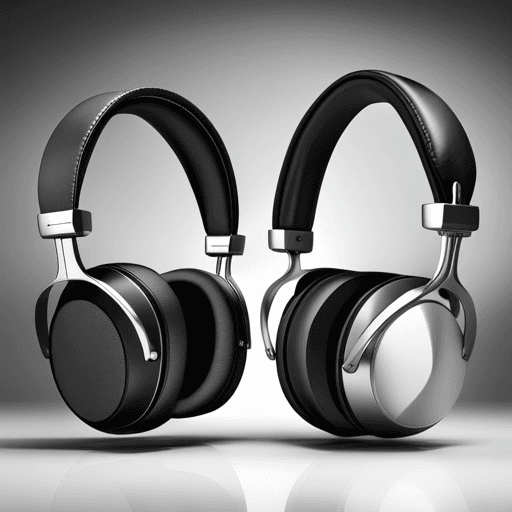
Quality headphones are crucial for good mixing. It’s important to choose ones that deliver a flat frequency response, meaning they don’t overly enhance or diminish any specific frequency range. This helps give an accurate representation of your mix.
Open-back headphones are often recommended for mixing for their superior sound quality and wider soundstage, although they let sound leak both in and out and don’t isolate the listener from ambient noise. Closed-back headphones are more isolating and tend to highlight the bass frequencies, so are better for recording to avoid sound leakage into a microphone.
2. Understand the Limitations
Mixing on headphones won’t give you a complete picture of how the mix will sound on other playback systems. This is mainly because the stereo image is drastically different when listening on headphones compared to speakers. Music listened to on headphones often sounds like it’s inside your head rather than in front of you. Therefore, it’s important to check your mix on a variety of sources, such as studio monitors, car speakers, or a home stereo system, especially for decisions related to balancing element levels and panning.
3. Use Reference Tracks
A reference track is a professionally produced song that you use as a standard for your mix. When using headphones for mixing, it is crucial to listen to these tracks often. They help you understand how a well-executed mix is supposed to sound on headphones. Listening to reference tracks can help you to make more informed decisions about balancing instrument levels, EQ settings, and creating a sense of depth and space in your mix.
4. Protect Your Hearing
It’s important to maintain regular breaks from your headphones to prevent auditory fatigue. Prolonged headphone use can also contribute to hearing loss over time. Limit your exposure by maintaining reasonable volume levels and taking regular listening breaks.
In conclusion, while mixing with headphones comes with its own set of challenges, it can also lead to highly detailed and precise mixes when done correctly. Remember, the goal is to create a mix that translates well across multiple listening systems and environments. And while headphones are an essential tool in this process, they shouldn’t be the only one.