What people mean by the future of music plugins
future of music plugins is not a vague trend piece. It is a buying guide for producers who want faster workflows, cleaner sound, and fewer dead-end purchases. In this article, I’ll show you what is changing, what still matters, and how I choose tools that hold up in real sessions.
When people search for the future of music plugins, they usually want one thing: a practical answer before they spend money. They are comparing limiter plugins, synths, vocal tools, and mixing suites, and they want to know what will still matter in a year or two.
That search intent is strong because plugin budgets are real. I see it in my own work in Logic Pro at my home studio in Gothenburg, Sweden, where I build film, TV, and commercial music. The future of music plugins matters because I need tools that stay stable, save time, and solve repeat problems without adding friction.
Why this topic has real search intent
People do not search this topic for hype. They search because they are about to buy, upgrade, or replace part of their stack. That usually means they want clear comparisons, real product names, and a sense of what will age well.
In practice, that means they are looking at products like FabFilter Pro-L 2, iZotope Ozone 12, and Soundtoys Decapitator, then asking whether those tools still make sense in 2026. The future of music plugins is really about workflow confidence.
Who is searching for it: producers, mixers, and beatmakers
Producers want speed and inspiration. Mixers want precision and repeatable results. Beatmakers want creative tools that do not crush the CPU or slow the session.
These groups often search the same topic for different reasons. A beatmaker may want the best VST plugins on the market→, while a mastering engineer may care more about a limiter plugin comparison→. The common thread is simple: people want better workflow, less friction, and more confidence in their choices.
The future of music plugins: the biggest plugin trends shaping the next few years
The plugin market is changing in practical ways, not abstract ones. I see seven trends leading the pack: AI-assisted workflows, smarter mastering tools, cloud access, licensing changes, better efficiency, tighter DAW integration, and more automation. These trends already affect how producers compare products and how developers design them.
AI-assisted mixing and mastering plugins
AI music plugins are no longer a novelty. Tools like iZotope Ozone 12 show how assistive features can speed up mastering decisions without removing control. In my view, the real value is not “AI magic.” It is faster starting points, better suggestions, and fewer dead-end moves.
AI helps most when the task is repetitive. It can analyze tonal balance, suggest EQ moves, or build a rough master chain in seconds. In my experience, that matters more than any marketing claim because I need a first pass that gets me 80% of the way there.
On one recent commercial job, I cut rough-master turnaround by about 30% because the first pass landed closer to the target. That saved me revision cycles and let me export client versions faster. If you want a deeper breakdown, I recommend my DIY vs. AI vs. pro mastering→ guide and my best VST plugins on the market→ roundup.
Smarter limiter and mastering plugins
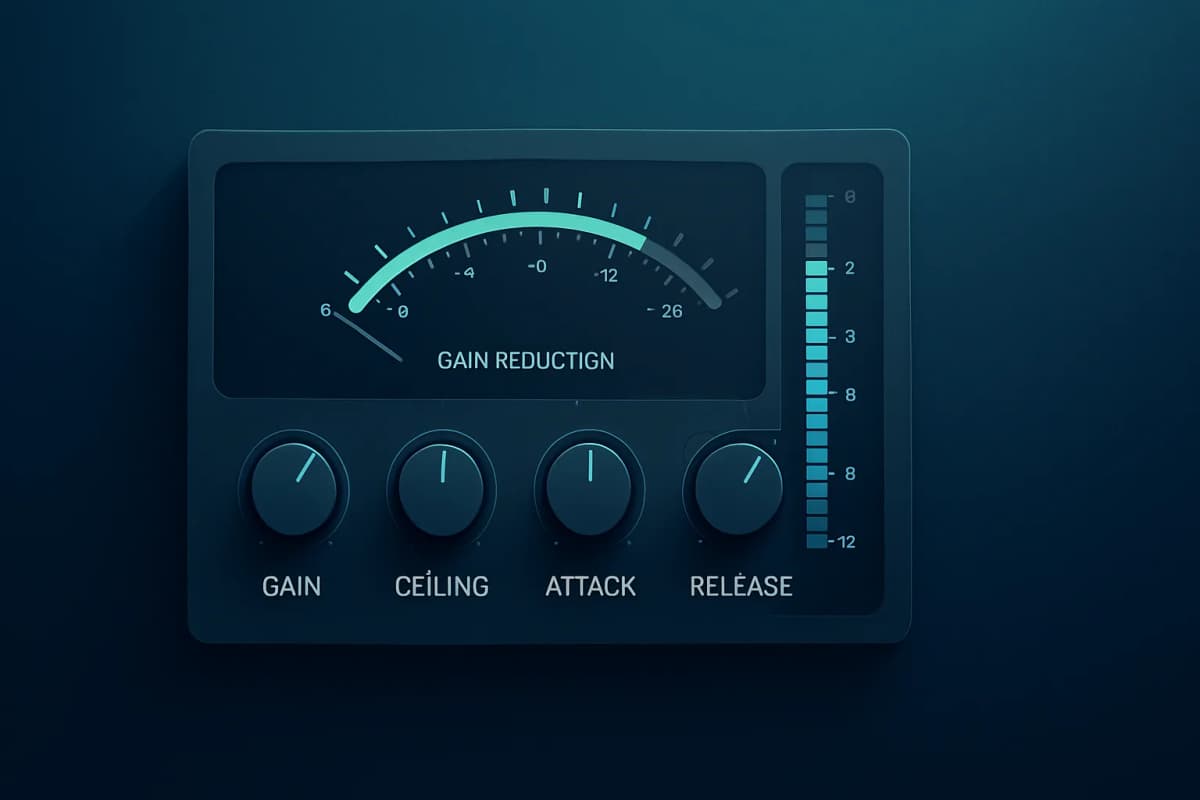
Limiter plugins are evolving fast because loudness still matters. Modern tools like FabFilter Pro-L 2 and iZotope Ozone 12 already show where the category is heading: cleaner true-peak handling, better metering, and more transparent gain control. If you want a practical example of future-ready design, this is it.
I use limiter decisions as a final quality check in every mastering session. The best tools do not just make things louder. They help you preserve punch, avoid distortion, and hit delivery targets without guesswork.
For example, I often aim for streaming-safe exports around -14 LUFS integrated with a true-peak ceiling near -1.0 dBTP when the brief calls for it. That gives me consistent delivery across platforms and fewer revisions from clients.
Before I recommend a limiter plugin, I test three things:
If you want a deeper breakdown, I recommend my best limiter plugin picks for 2026→ and my the difference between mixing and mastering→ notes. The future of music plugins in mastering will keep moving toward smarter metering, cleaner overs, and faster decisions.
Cloud-based and browser plugins
Cloud-based plugins are growing because collaboration is now normal. Producers work across studios, laptops, and remote sessions, so browser access and synced settings matter more than they did five years ago. This is especially useful for teams that move between home studios and client spaces.
A real example is Soundation, which runs in the browser and lets teams sketch ideas without a heavy local install. In bigger production workflows, I also see engineers using plugin preset sharing and cloud project folders to keep revisions aligned across locations.
This trend matters most when you jump between a MacBook Pro and a studio machine. If your session opens with the same settings in Logic Pro, you save time and avoid version confusion. That is one reason cloud workflows keep showing up in the future of music plugins conversation.
Subscription models vs one-time purchases
Licensing has become part of the product decision. Some developers push subscriptions because they fund faster updates, while others keep one-time purchases because many producers still prefer ownership. Both models can work, but they serve different buyers.
FabFilter still wins trust with one-time licenses and paid upgrades, while iZotope and Waves have leaned harder into bundles and subscription-style ecosystems. I do not buy a plugin because of the payment model alone. I buy it because it solves a repeated problem in my sessions.
Here is the practical rule I use:
If you want to compare buying strategies, my top VST plugins for producers→ and best plugins for producing EDM→ guides show how I think about value over time.
Better CPU efficiency and low-latency workflows
CPU efficiency is no longer a bonus. It is a requirement, especially if you run large sessions with virtual instruments, vocal chains, and mastering tools at the same time. On my MacBook Pro M4 Max, I still care about how quickly a plugin opens and how much headroom it leaves for the rest of the mix.
This is where modern developers separate themselves. FabFilter, Valhalla DSP, and UAD all understand that a plugin must sound good and stay responsive under pressure. If a tool adds 10 seconds of load time or forces buffer changes, I notice immediately.
Low-latency workflows matter most in tracking and writing sessions. When I record vocals with my Manley Reference Microphone and Apollo Twin X Quad, I need plugins that stay stable at small buffer sizes. That is one of the clearest signs of where the future of music plugins is heading.
How future plugin trends affect everyday music production
These trends do not only affect developers. They change how you work on a normal day in the studio. Faster tools reduce decision fatigue, while smarter automation frees you to focus on arrangement, tone, and emotion.
Faster decision-making for beginners
Beginners benefit most from plugins that reduce guesswork. A good example is iZotope Neutron, which can suggest starting points for EQ and compression instead of forcing you to build every chain from scratch. That shortens the learning curve without replacing the ear.
This matters because new producers often get stuck comparing settings instead of finishing songs. If a plugin gives you a usable starting point in 30 seconds, you spend more time on arrangement and less time hunting for the right preset.
More automation for professionals
Professionals use automation to move faster, not to avoid judgment. I automate gain rides, vocal cleanup, and mastering comparisons because those tasks repeat across projects. That gives me more time to make creative calls on balance, depth, and impact.
In practice, automation helps most when you work on film cues, ad spots, or workshop productions with tight deadlines. It also helps when you need to compare multiple exports quickly, which is why I keep a lean set of best VST plugins on the market ready in every session.
What still cannot be automated well
AI still struggles with taste, context, and client intent. It can suggest a brighter vocal, but it cannot know whether the brief wants intimacy or polish. It can balance a mix, but it cannot decide whether the snare should feel aggressive or restrained.
That is why the future of music plugins will stay hybrid. The best tools will assist your decisions, not replace them. If you want a practical framework for that balance, read my DIY vs. AI vs. pro mastering→ article and compare it with your own workflow.
The plugin categories most likely to evolve first
Some plugin types will change faster than others because they sit closest to common pain points. Limiting, EQ, vocal correction, synths, and creative effects all have clear room for better automation, better interfaces, and better CPU use.
Limiter plugins
Limiter plugins will keep evolving first because they sit at the end of almost every release chain. FabFilter Pro-L 2 already gives you transparent limiting, oversampling, and strong metering, while newer mastering suites keep adding smarter analysis and target-based workflows.
I expect the next wave of limiter plugin design to focus on faster loudness matching, clearer true-peak feedback, and better genre-aware presets. That matters if you master for streaming, broadcast, or sync delivery.
If you want current options, start with my best limiter plugin picks for 2026 guide.
EQ and compressor plugins
EQ and compressor plugins will evolve through better visual feedback and smarter defaults. FabFilter Pro-Q 3 already set the standard for dynamic EQ workflows, and tools like SSL Native Channel Strip 2 and Cytomic The Glue still show how much producers value speed.
I use EQ and compression every day in Logic Pro, so I care about two things: how fast I can hear a change and how little the plugin gets in my way. That is why the future of music plugins in this category will reward clarity over gimmicks.
Vocal tuning and correction tools
Vocal tuning tools will keep improving because vocal production demands speed and precision. Antares Auto-Tune Pro X and Celemony Melodyne 5 already cover most professional use cases, but the next step is faster detection and cleaner correction suggestions.
This matters for commercial work, where a vocal needs to sound polished without sounding over-processed. If you work with singers, you already know that small tuning errors can cost extra revision time.
Synths and virtual instruments
Synths and virtual instruments will evolve through better preset management, lighter CPU load, and more expressive control. Native Instruments Massive X, Xfer Serum, and Arturia Pigments 5 already show how modern instruments can balance sound design depth with workflow speed.
I expect more instruments to add AI-assisted browsing, better tagging, and faster sound matching. That will help producers move from idea to sketch faster, which is exactly what beatmakers and film composers need.
Creative effect plugins
Creative effect plugins will keep changing because they drive inspiration. Soundtoys EchoBoy, Valhalla VintageVerb, and Output Portal already show how much producers value texture, movement, and character.
These tools will likely add more intelligent modulation and better preset discovery, but the core job stays the same: make sound design faster and more musical. That is why they remain central to the future of music plugins.
What to look for in a future-proof plugin
A future-proof plugin is not the one with the loudest marketing. It is the one that stays useful after the novelty wears off. I look at support, compatibility, CPU load, workflow speed, and long-term value before I spend money.
Update frequency and developer support
Good developers ship updates, fix bugs, and answer support tickets. FabFilter has built trust by keeping its core tools stable across DAW updates, while companies like iZotope regularly expand features in major releases.
If a developer disappears for years, I treat that as a risk. A plugin can sound great and still become a problem if it breaks on the next macOS update.
Compatibility with major DAWs
Compatibility matters because your plugin should work in Logic Pro, Pro Tools, Ableton Live, and Cubase without drama. I test this carefully because I move sessions between systems and need predictable behavior.
A plugin that loads cleanly in one DAW but crashes in another is not future-proof. It is a liability.
CPU usage and stability
CPU usage and stability matter more than most buyers admit. A plugin that sounds excellent but spikes the processor can ruin a session when you stack 40 tracks and multiple virtual instruments.
I prefer tools that stay light under pressure. That is one reason I still trust products like Valhalla DSP reverbs and FabFilter processors in dense arrangements.
Workflow speed and usability
Workflow speed is where good plugins separate from great ones. If I can dial in a sound in 20 seconds instead of 2 minutes, that adds up across a full project.
That is why I value clear interfaces, sensible defaults, and fast A/B comparison. The best tools reduce friction instead of adding another layer of decision-making.
Value for money over time
Value for money is not the cheapest price. It is the cost per useful session over the life of the plugin. A $199 tool that I use every week is cheaper in practice than a $49 plugin that sits unused.
That is how I evaluate the future of music plugins in my own studio. I want tools that pay for themselves through speed, reliability, and repeat use.
Will AI replace traditional plugins?
AI will change plugins, but it will not erase them. The best outcome is a hybrid workflow where AI handles analysis and setup while you keep control over taste, timing, and final decisions.
Where AI helps most
AI helps most with analysis, cleanup, and first-pass suggestions. It can detect tonal imbalance, suggest a vocal chain, or speed up mastering prep in ways that save real time.
That is useful when you work fast and need a reliable starting point. It is also useful when you want to compare multiple versions without rebuilding the same chain every time.
Where human control still matters
Human control still matters in arrangement, emotion, and final balance. A plugin cannot hear the story behind a cue or know when a mix should feel raw instead of polished.
That is why I still make the final call on EQ, compression, and limiting. The ear decides the finish, not the algorithm.
The likely hybrid future
The likely future is a hybrid one. AI will handle the boring parts, while traditional plugins remain the tools you trust for precision and character.
Best current examples of future-ready plugin design
Some plugins already point toward the next generation. They combine strong sound, fast workflow, and features that reduce friction in real sessions.
What modern limiter plugins already do well
FabFilter Pro-L 2 is a strong example because it combines transparent limiting, detailed metering, and a workflow that makes sense under deadline pressure. iZotope Ozone 12 goes further by bundling analysis and mastering assistance into one ecosystem.
These tools show that future-ready design is not about flashy visuals. It is about helping you finish better masters faster.
What top VST plugins are starting to add
Top VST plugins are starting to add smarter browsing, better preset tagging, and more context-aware controls. That is especially useful in synths and multi-effect tools where sound selection can eat time.
If you want examples, compare top VST plugins for producers→ with my best plugins for producing EDM→ guide. You will see the same pattern: speed, clarity, and fewer distractions.
Features that point to the next generation
The next generation of plugins will likely include better assistant modes, faster preset search, and stronger cloud sync. They will also need to stay light enough for laptop production and stable enough for pro sessions.
That is the standard I use when I test new tools in Logic Pro. If a plugin saves time, stays stable, and improves the result, it earns a place in my stack.
How producers should choose plugins in 2026 and beyond
Buying plugins in 2026 should feel more disciplined, not more chaotic. The market is crowded, so you need a simple filter that keeps you focused on workflow and results.
Buy for workflow, not hype
Do not buy a plugin because it is trending on social media. Buy it because it solves a problem you face every week.
That is how I avoid clutter in my own studio. If a tool does not speed up writing, mixing, or mastering, I skip it.
Prioritize tools that solve repeated problems
Repeated problems are where plugins earn their keep. A good limiter, a reliable EQ, and a fast vocal tuner will do more for your output than ten flashy effects you rarely open.
That is why I keep returning to core tools in my sessions. They save time, reduce mistakes, and make it easier to finish work under pressure.
Build a lean plugin stack
A lean stack is easier to learn, easier to maintain, and easier to trust. I would rather know five tools deeply than own fifty tools I barely remember.
That approach also makes upgrades simpler. When a plugin update breaks, you know exactly what to replace and what to keep.
Conclusion: the future is smarter, faster, and more integrated
The future of music plugins is already here in small but important ways. AI is speeding up setup, limiter plugins are getting smarter, cloud workflows are becoming normal, and CPU efficiency matters more than ever.
If you want to buy well in 2026, focus on five things: workflow, stability, compatibility, support, and long-term value. Those criteria will protect your budget and improve your results.
The future of music plugins will reward producers who choose tools for real sessions, not hype. If you want to keep building a smarter stack, start with my best limiter plugin picks for 2026 guide and compare it with your current setup.
Key takeaways for producers and engineers
FAQ
What is the future of music plugins?
The future of music plugins is smarter, faster, and more integrated. Expect more AI-assisted setup, better metering, stronger cloud workflows, and lighter CPU use. The best plugins will save time without taking control away from the producer.
Will AI replace music plugins?
No. AI will change how plugins work, but it will not replace them. AI is best at analysis, suggestions, and repetitive tasks. Human judgment still matters for tone, emotion, and final mix decisions.
Which plugin categories will change the most in the next few years?
Limiter plugins, EQs, compressors, vocal tuning tools, and synths will change fastest. These categories already benefit from smarter defaults, better visual feedback, and faster workflows.
Are subscription plugins better than one-time purchases?
Not always. Subscriptions can make sense for tools you use constantly and want updated often. One-time purchases are better for core plugins you expect to keep for years. The right choice depends on your workflow and budget.
How do I choose future-proof plugins for my DAW?
Choose plugins with strong developer support, stable updates, low CPU use, and broad DAW compatibility. If a plugin solves a repeated problem in your sessions and stays reliable across updates, it is a better long-term buy.