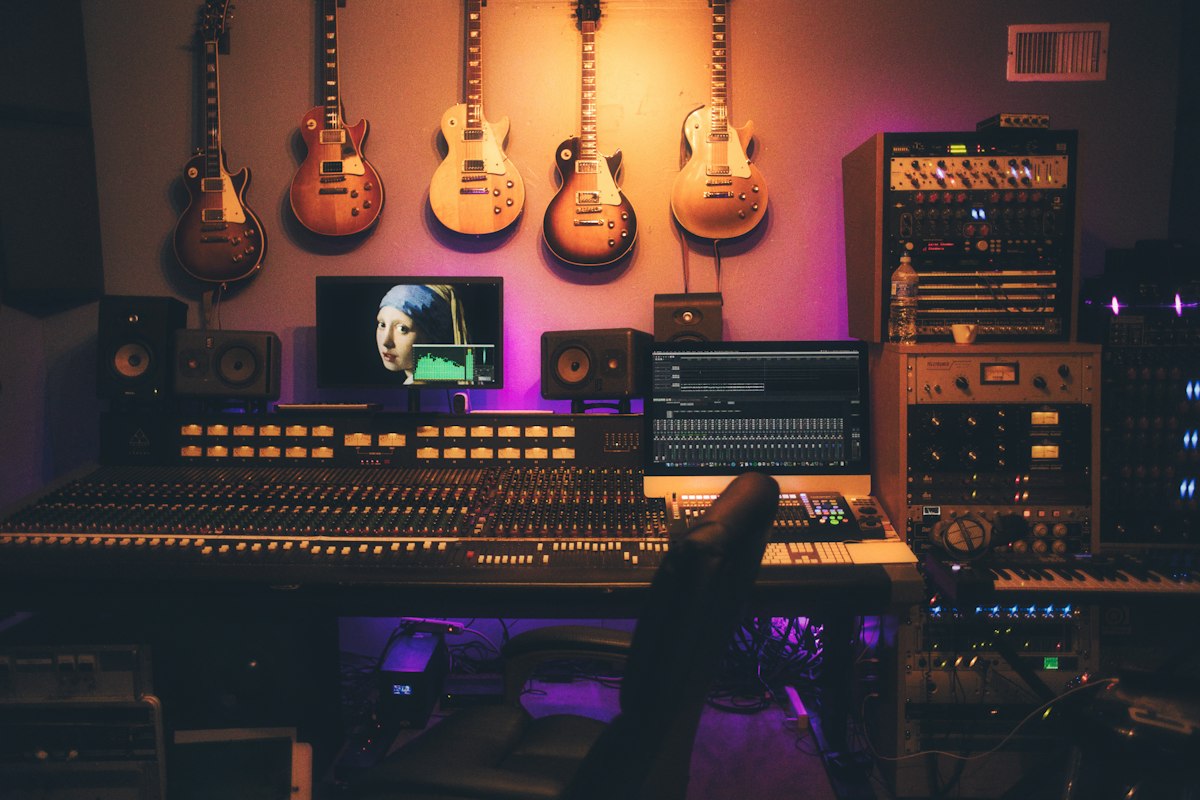
Music has always been my first language. Before I wrote a single line of code, I was producing beats in my bedroom. Today, my music has been featured on SVT, TV4, and international productions, with over 4 million streams across platforms.
How It Started
I started producing music at 15, learning everything from YouTube tutorials and experimentation. My first DAW was FL Studio, and I spent countless hours understanding sound design, mixing, and arrangement.
The breakthrough came when I started uploading to SoundCloud and Spotify. A few tracks caught the attention of music supervisors, and suddenly I was getting sync licensing requests.
The Film & TV World
Scoring for film and TV is completely different from making beats. You're serving the story, not your ego. The music needs to enhance emotion without overshadowing the visuals.
Key differences I learned:
My Process
Tools of the Trade
My current production setup:
Advice for Aspiring Composers
The best advice I can give: produce every single day. Talent matters less than consistency. The more you create, the faster you develop your unique sound.
And don't wait for permission. Put your music out there. The right opportunity will find you if you're consistently creating quality work.