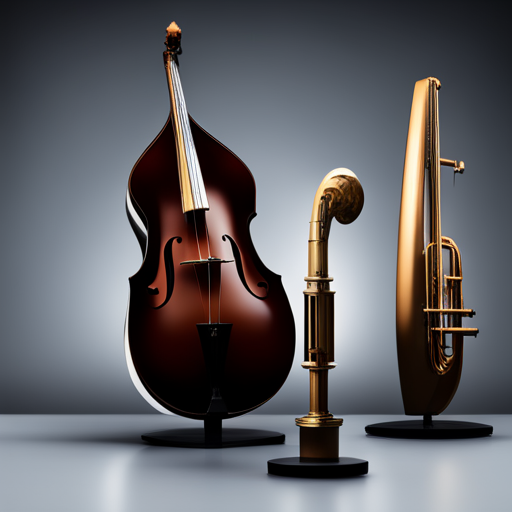

How does the process of mastering jazz music differ when utilizing key elements such as the upright bass and horns
#
If your soul yearns for jazz, where bubbling rhythms interweave with stirring melodies, you’re not alone. Jazz has wooed music lovers across the decades with its intoxicating mix of improvisation, virtuosity, and emotional expression. In this article, we delve into the depths of jazz, specifically focusing on two iconic jazz instruments – the upright bass and horns. These instruments have been fundamental to shaping the sound and feel of jazz music.
The Upright bass
The upright bass imparts a pulsing, rhythmic foundation that gives jazz its characteristic walking beat. Its deep, rich tones provide harmony and spirit, giving a heartbeat to jazz. The bass serves as a bridge between melody and rhythm, binding together the different elements of the song.
Mastering the Upright Bass
Learning to play the upright bass in jazz requires developing a fine balance between technical skill and intuitive feel. Here are some tips to help you get started:
The Jazz Horns
Horns, featuring instruments like the trumpet, trombone, and saxophone, add color and texture to jazz music. They have the power to deliver soaring solos that inflame emotions and spirit amidst the deepest depths of the listener’s heart.
Mastering Jazz Horns
Whether you choose the piercing clarity of a trumpet, the rumbling depths of a trombone, or the smooth sultriness of a saxophone, mastering jazz horns requires practice, patience, and flair. Here are some tips:
In Conclusion
Mastering jazz is not about replicating others but about expressing your individuality. With the right ingredients of practice and passion, the upright bass and horns can be manipulated into creating sounds that truly define you and your take on jazz. Happy Jamming!