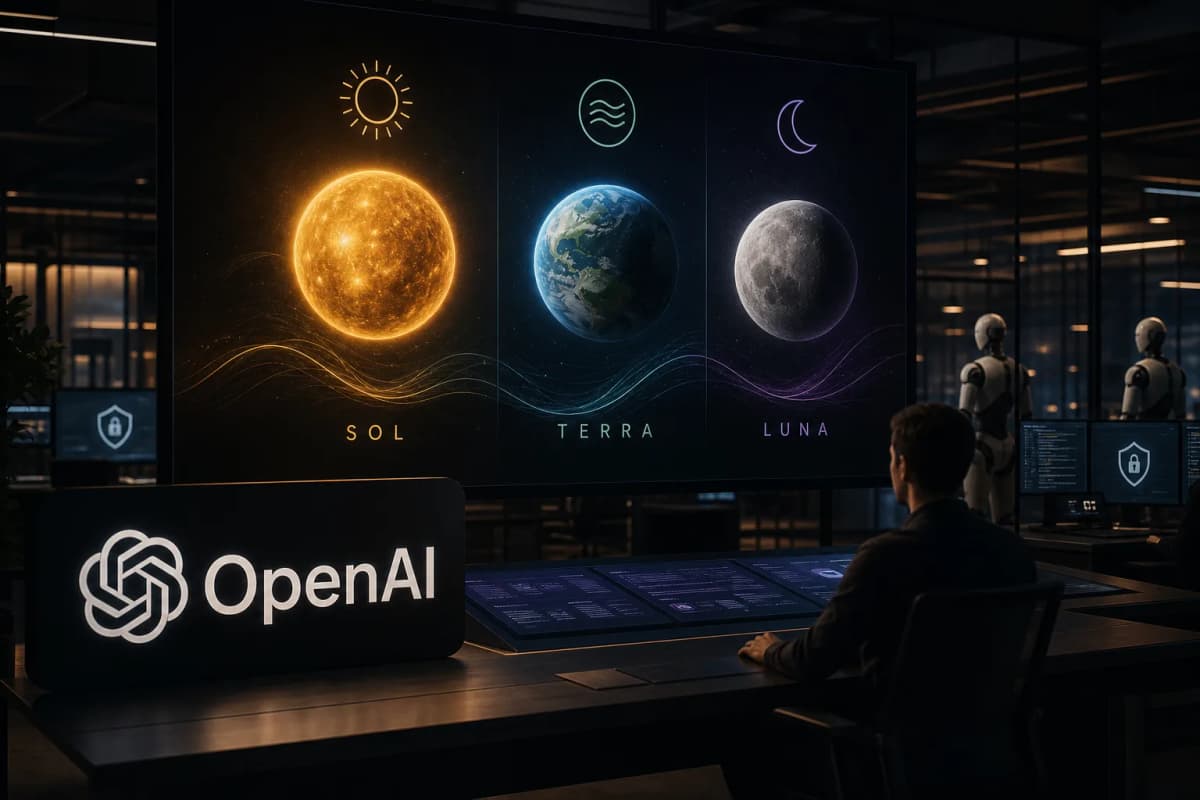
يبدو أن OpenAI GPT-5.6 مستعد للانتقال من المعاينة الخاضعة للرقابة إلى إطلاق عام يوم الخميس 9 يوليو 2026. لن أعتبر ذلك مجرد تحديث عادي للنموذج. تشير الأدلة إلى وجود عائلة من ثلاثة نماذج، وطبقة استدلال أكبر، وعملية إطلاق شكلتها مراجعة الأمن السيبراني بدلاً من توقيت المنتج البحت.
أقوى دليل ليس مجرد منشور عشوائي على X. فقد نشرت OpenAI بالفعل معاينة لـ GPT-5.6 Sol في 26 يونيو 2026. ثم ذكرت صحيفة The Information في 7 يوليو أن OpenAI ستطلق عائلة GPT-5.6 علناً يوم الخميس. وتابعت Axios في 8 يوليو قائلة إن إدارة ترامب أقرت إطلاقاً واسعاً بعد اختبارات إضافية واجتماعات، وأن OpenAI أعلنت أن Sol وTerra وLuna ستصبح متاحة للجمهور يوم الخميس.
لا يزال هناك تحفظ واحد: حتى يتم تحديث صفحة الإطلاق ووثائق API الخاصة بـ OpenAI، فإن معرفات النموذج الدقيقة، وأسعار API، وحدود المعدل، وتوفر الحسابات قد تتغير جميعها. الخطوة المفيدة هي فهم شكل الإصدار الآن، ثم انتظار الوثائق الرسمية قبل تغيير توجيه الوكلاء في بيئة الإنتاج.
ما هو متوقع إطلاقه من OpenAI GPT-5.6
الإصدار المتوقع هو عائلة GPT-5.6:
لخص موقع MacRumors معاينة OpenAI بأنها Sol وTerra وLuna. ووصف Sol بأنه أقوى نموذج، وTerra بأنه مشابه في الأداء لـ GPT-5.5 لكنه أرخص، وLuna بأنه خيار OpenAI الأقل سعراً مع قدرات قوية. وأفادت Axios بأن هذه الطبقات الثلاث نفسها تم الآن الموافقة عليها للإطلاق العام يوم الخميس.
ما هو الفرق الكبير عن GPT-5.5؟
جعل GPT-5.5 تجربة ChatGPT الافتراضية أكثر موثوقية. ركز منشور OpenAI الفوري لـ GPT-5.5 على تقليل الادعاءات المهلوسة، وإجابات أكثر وضوحاً، وتخصيص أفضل، وتحليل أقوى للصور، ومساعدة في مجالات STEM، واستخدام أكثر ذكاءً لبحث الويب.
يبدو GPT-5.6 كنوع مختلف من الإصدارات. فهو ليس فقط نموذج دردشة افتراضي أكثر ذكاءً. إنه يقسم القدرات إلى عائلة:
Sol هو الجزء المهم. تصف معاينة OpenAI تحسينات وكيلية في البرمجة والأحياء والأمن السيبراني، بالإضافة إلى جهد استدلال جديد باسم max ووضع ultra يمكنه استخدام وكلاء فرعيين للأعمال المعقدة. هذا مهم لأن الاختناق في أنظمة الذكاء الاصطناعي الحقيقية نادراً ما يكون في إجابة واحدة. الجزء الصعب هو تفكيك المهمة، والتحقق من الأدلة، واستخدام الأدوات، وإصلاح الأخطاء، والإنهاء دون الانحراف عن هدف المستخدم.
GPT-5.6 Sol: الأفضل للاستدلال الصعب والعمل الوكيلي
يجب أن يكون Sol هو النموذج المخصص للأعمال التي تكون فيها الأخطاء مكلفة، أو حيث يتعين على النموذج تنسيق الأدوات عبر عدة خطوات.
أفضل حالات استخدام Sol
سأستخدم Sol لـ:
لن أستخدم Sol لكل طلب. إذا كانت المهمة تصنيفاً بسيطاً، أو توليد بيانات وصفية، أو إعادة صياغة قصيرة، أو ملخص دعم، فإن ميزانية الاستدلال الإضافية تعتبر هدراً.
GPT-5.6 Terra: الأفضل للأعمال المهنية اليومية
يبدو Terra كالافتراضي العملي للفرق. يقول إطار المعاينة إنه قريب من قدرات GPT-5.5 بتكلفة أقل. هذا بالضبط ما تحتاجه معظم الشركات: نموذج قوي بما يكفي للعمل العادي، ورخيص بما يكفي لتشغيله بشكل متكرر.
أفضل حالات استخدام Terra
سأستخدم Terra لـ:
بالنسبة لسلسلة المحتوى الخاصة بي، فإن Terra هو النموذج الذي سأختبره أولاً لمهام الكاتب والمحرر والتحسين والمحادثات الإدارية. يجب أن يتعامل مع الجزء الأكبر من العمل مع إبقاء Sol متاحاً للفحوصات عالية المخاطر.
GPT-5.6 Luna: الأفضل للمهام الخلفية الرخيصة والسريعة
Luna هو نموذج التوسع. إذا سعرته OpenAI كطبقة منخفضة التكلفة، فإن أفضل استخدام له ليس براّقاً. يجب أن يتعامل مع العمل الممل الذي يجعل أنظمة الوكلاء تبدو سريعة.
أفضل حالات استخدام Luna
سأستخدم Luna لـ:
هنا توفر الفرق المال عادةً. لا تحتاج إلى أقوى نموذج لتقرر ما إذا كانت الرسالة تتعلق بالفواتير أو الدعم أو المبيعات أو البريد العشوائي. تحتاج إلى أقوى نموذج عندما يمكن للإجراء التالي تغيير بيانات الإنتاج أو محتوى العميل أو وضع الأمان.
لماذا تعد المراجعة الحكومية مهمة
قصة الإصدار غير عادية لأن النموذج تمت معاينته بالفعل، ثم تقييده، ثم reportedly تم clearance له بعد مراجعة حكومية. تقول Axios إن مركز معايير الابتكار في الذكاء الاصطناعي التابع لوزارة التجارة اختبر النموذج، وأن OpenAI كان لديها خبراء تقنيون في واشنطن للإجابة على الأسئلة.
زاوية الأمن السيبراني مركزية. تقول معاينة OpenAI إن GPT-5.6 Sol تم اختباره ضد الأنشطة عالية المخاطر، وطلبات السيبرانية الحساسة، وسوء الاستخدام. كما تقول إن OpenAI أمضت أكثر من 700,000 ساعة من وحدات معالجة الرسومات المعادلة لـ A100 على فريق أحمر آلي (automated red teaming) يهدف إلى كسر الحماية الشامل (universal jailbreaks).
هذا هو الجزء الذي يجب مراقبته. إذا كان Sol يمكنه القيام بعمل أمان دفاعي أفضل مع رفض سوء الاستخدام الهجومي بشكل أكثر موثوقية، فإنه يصبح أكثر فائدة للشركات الحقيقية. إذا كانت ضوابط الأمان غير دقيقة جداً، فستظل الفرق بحاجة إلى أذونات أدوات دقيقة، وسجلات تدقيق، وموافقة بشرية حول الإجراءات الحساسة.
كيف سأستخدم GPT-5.6 في مجموعة MCP والمحتوى الخاصة بي
لن أقوم باستبدال كل وكيل بـ GPT-5.6 في اليوم الأول. سأقوم بالتوجيه بناءً على المخاطر.
بالنسبة لـ MCP الخاص بالموقع الشخصي وسلسلة المحتوى:
بالنسبة لأعمال MCP للتجارة الإلكترونية:
بالنسبة للبرمجة:
التحول المهم ليس أن نموذجاً جديداً واحداً أكثر ذكاءً. التحول المفيد هو أن العائلة تمنحك استراتيجية توجيه: أنفق الذكاء حيث تكون المخاطر عالية، وأنفق السرعة حيث يكون الحجم عالياً، وأبقِ البشر في الحلقة عندما يمكن لإجراء الذكاء الاصطناعي نشر أو حذف أو نشر أو تغيير بيانات العميل.
ما سأنتظر التحقق منه
قبل تغيير تكوين وكيل الإنتاج، أريد ثلاث تفاصيل رسمية:
إذا ظهرت هذه التفاصيل يوم الخميس، فإن الخطوة التالية هي معيار صغير: مهمة برمجة واحدة، ومهمة واحدة لسلسلة المقالات، وإعادة صياغة SEO واحدة، ومراجعة أمان MCP واحدة، ودفعة تصنيف رخيصة واحدة. سيوضح ذلك أين يعتبر GPT-5.6 ترقية حقيقية وأين يظل GPT-5.5 أو نموذج أرخص هو الخيار الأفضل.